Nobel Laureate Muhammad Yunus Considers Resigning as Bangladesh’s Interim Chief Amid Political Turmoil
Bangladesh’s interim government chief, Nobel Peace Prize winner Muhammad Yunus, has threatened to resign amid escalating political unrest and growing protests in the country. Yunus, who took office in August 2024 following massive student-led demonstrations that ousted former Prime Minister Sheikh Hasina, expressed frustration over his inability to function effectively due to a lack of unified support from political parties.
During a recent cabinet meeting, Yunus reportedly told his advisers that he would quit if he did not receive full backing from all major parties. Cabinet members persuaded him not to immediately tender his resignation. National Citizens Party (NCP) convener Nahid Islam confirmed after meeting with Yunus that the interim chief felt unable to work under the current conditions, stating, “He said he is thinking about it. He feels that the situation is such that he cannot work.”
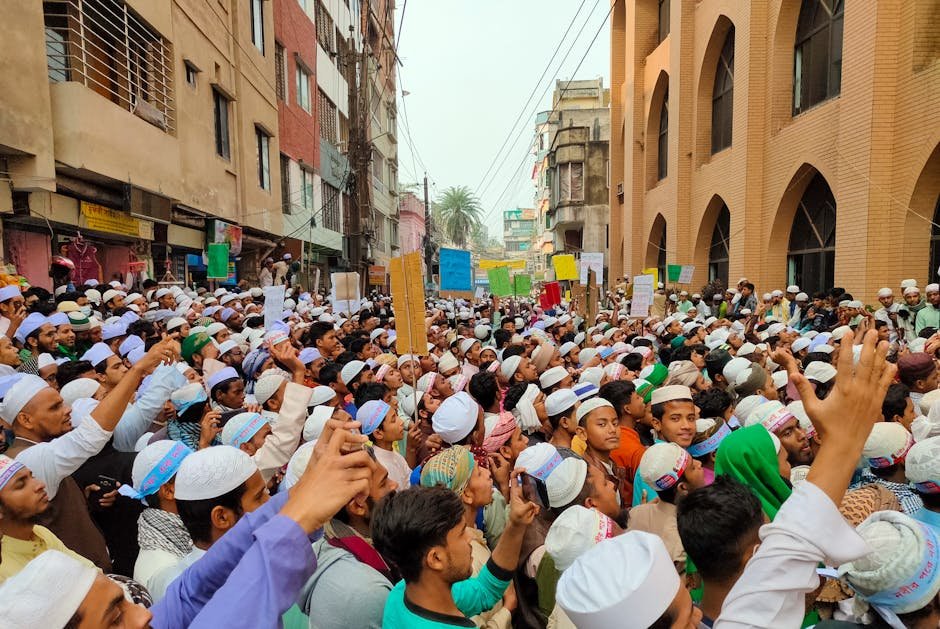
The crisis comes as thousands of supporters from the Bangladesh Nationalist Party (BNP) staged major protests in the capital city of Dhaka, demanding a firm election date. This marks the first significant demonstration against Yunus’s administration since he took office last year. The country remains deeply divided, with rival parties staging competing rallies and no consensus on much-needed electoral reforms.

Source: Pexels Image
During a closed-door meeting with his advisers, Yunus reportedly questioned the point of being the chief advisor if he cannot function properly, highlighting the challenges he faces in leading the country through this tumultuous period.
Bangladesh’s ongoing unrest underscores the continued uncertainty surrounding its political transition and the difficulties faced by the interim government in navigating the complex political landscape. Key issues that need to be addressed include:
- Establishing a clear timeline for elections
- Implementing electoral reforms to ensure free and fair polls
- Fostering dialogue and cooperation among political parties
- Addressing the root causes of the protests and public discontent
As the situation continues to unfold, the international community will be closely watching Bangladesh’s progress towards stability and democracy. The resignation of Muhammad Yunus, a globally respected figure, would likely further complicate the country’s political transition and raise concerns about its future trajectory.
A Nation at a Crossroads
The current political turmoil in Bangladesh represents a critical juncture for the nation. The decisions made by political leaders in the coming weeks and months will have far-reaching consequences for the country’s stability, economic growth, and democratic development. It remains to be seen whether the interim government, with or without Muhammad Yunus at its helm, can navigate these challenges and steer Bangladesh towards a more stable and prosperous future.