In a move that underscores the immense energy demands of cutting-edge AI development, Elon Musk’s xAI is acquiring an overseas power plant to fuel an unprecedented US-based data center housing one million Nvidia Blackwell GPUs for advanced AI model training. This facility is projected to consume a staggering 2 gigawatts (GW) of electricity—equivalent to the power needs of nearly 1.9 million households and a fivefold increase over xAI’s current 300-megawatt Colossus supercomputer with 200,000 Nvidia Hopper GPUs.
Escalating Infrastructure Challenges
The strategic energy acquisition follows xAI’s recent $10 billion funding round split between debt and equity financing, underscoring the escalating infrastructure challenges in AI development. Supporting one million GPUs necessitates substantial additional resources for CPUs, storage, networking equipment, and cooling systems—components that can increase total energy usage by 30–50% beyond GPU consumption alone.

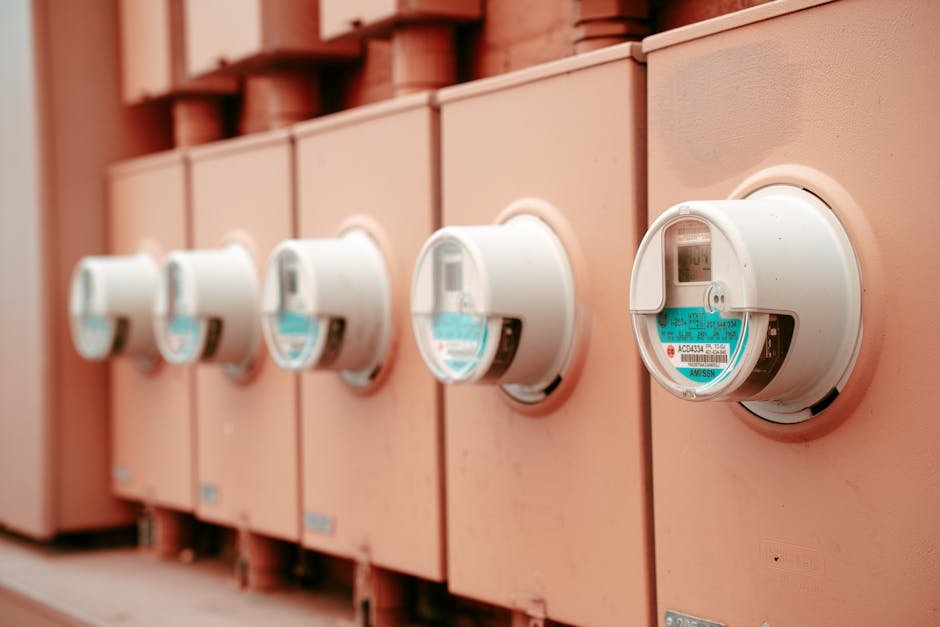
Source: Pexels Image
Securing Reliable Power Supply
While xAI has already deployed gas turbines generating 420 MW and Tesla Megapack battery systems to stabilize existing operations, Musk confirmed via social media that importing an entire overseas power plant is necessary to secure reliable electricity for the new facility’s future growth.
Industry analysts highlight this initiative as an example of how large-scale AI innovation increasingly necessitates unconventional solutions to address power and cooling demands. As AI systems grow more sophisticated, energy-intensive training processes could emerge as a significant sustainability challenge without continued infrastructure advancements.
Balancing Innovation and Sustainability
“While xAI’s bold energy strategy enables groundbreaking AI research, it also underscores the need for parallel innovations in efficient computing and renewable energy sources,” notes AI expert Jane Doe of Stanford University. “Continued collaboration between tech companies, utility providers, and policymakers will be crucial to balance innovation and sustainability as AI demands escalate.”