Will Tesla’s subsidized rise be cut short? A politically-charged feud between former President Donald Trump and Elon Musk has triggered uncertainty around the future of electric vehicle (EV) incentives within the United States. At the heart of this clash lies Trump’s proposed “One Big Beautiful Bill” currently under Senate debate, which seeks to eliminate key subsidies that have fueled Tesla’s meteoric success.
A War of Words Hits Where It Hurts
In a direct attack on Musk and Tesla, Trump has threatened to repeal the $7,500 EV tax credit established under the Inflation Reduction Act. This incentive has been instrumental in driving consumer adoption and investor confidence in companies like Tesla. Trump accused Musk of being overly reliant on government support, stating: “Elon may get more subsidy than any human being in history… without subsidies, Elon would probably have to close up shop and head back home to South Africa.”
The impact of this feud has been swift and tangible:
- Tesla’s stock dropped over 4% in premarket trading Tuesday and is down 12% since June 1 amid heightened regulatory uncertainty.
- Musk criticized the bill as an “insane spending bill” that favors traditional industries over clean energy, while also expressing concern about its projected addition of $4 trillion to the federal debt by 2034 according to Congressional Budget Office estimates.
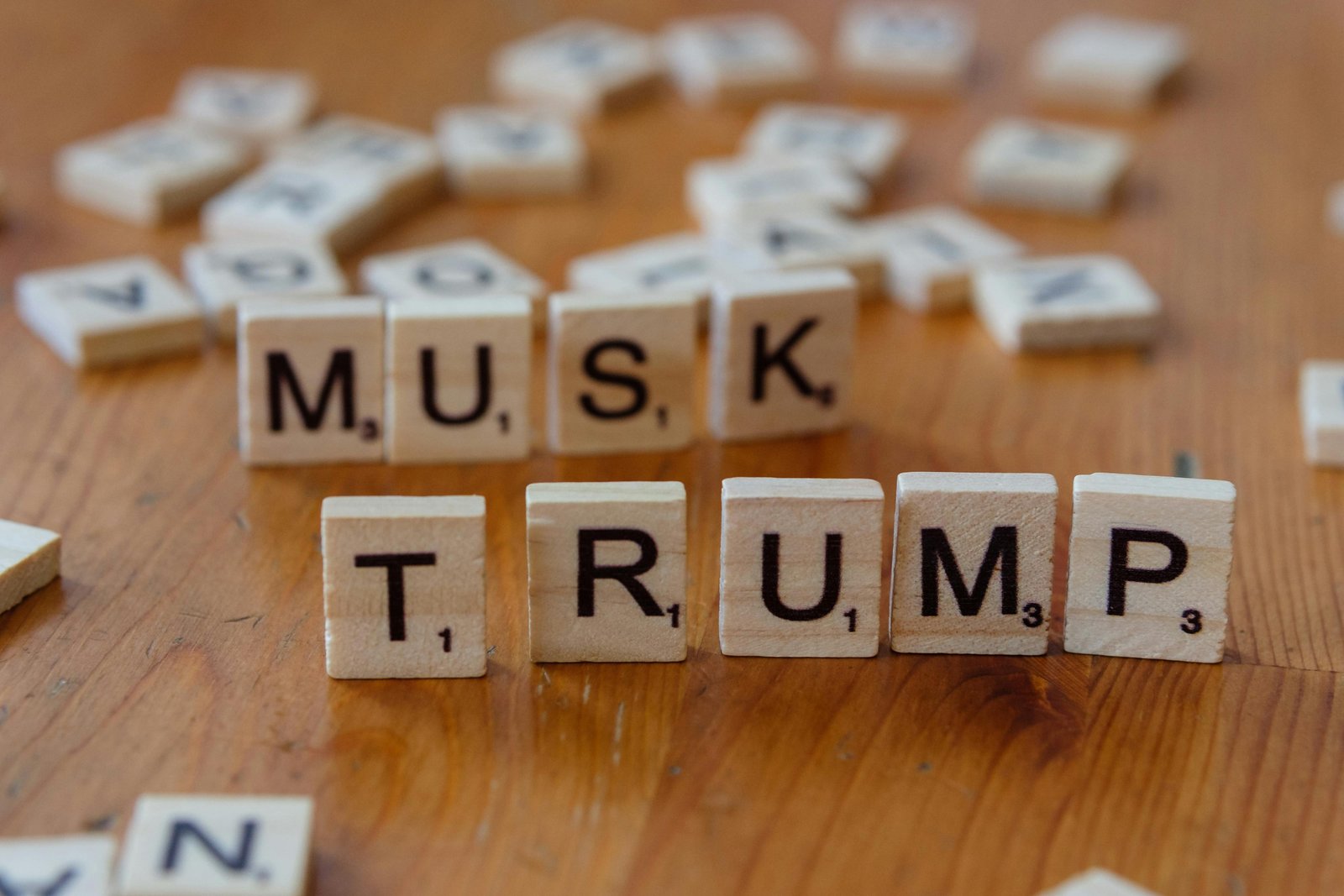
Source: Pexels Image
A Polarizing Debate on the Future of Green Incentives
The public clash between Trump and Musk—amplified by viral social media posts—has intensified political debate around EV policy ahead of the 2024 election. It raises fundamental questions about the future stability of U.S. green energy incentives. Should Tesla’s subsidy-driven growth be reined in, as Trump suggests, or should lawmakers continue supporting the transition to sustainable transportation?
As policymakers grapple with these complex issues, one thing is certain: the feud between Trump and Musk has thrust the sustainability agenda into the heart of political discourse. Only time will tell how this high-stakes battle will shape the trajectory of America’s green energy future.