The world stands on the precipice of another heated conflict as President Trump’s unilateral decision to strike key Iranian nuclear sites has raised global tensions to unprecedented levels. In a shocking display of military might, the United States launched successful strikes on three major Iranian nuclear facilities—Fordo, Isfahan, and Natanz—using B-2 stealth bombers and Tomahawk cruise missiles. The attacks were described by Trump as having “completely and fully obliterated” the targeted sites, marking a significant escalation in the ongoing conflict between Israel and Iran.
Reactions and Repercussions
While Iran’s Atomic Energy Organization confirmed the strikes, it defiantly stated that its nuclear program would continue. Tehran’s top diplomat warned of “everlasting consequences” and vowed retaliation against what they called a “dangerous war” initiated by Washington in support of Israel. This stern rhetoric has fueled concerns of a broader regional conflict arising from the situation.
On the domestic front, President Trump’s unilateral action to strike Iranian targets has drawn bipartisan praise for decisive action against a perceived nuclear threat, as well as criticism over bypassing congressional authorization. Trump issued a grave warning: “There will either be peace or there will be tragedy for Iran,” signaling the potential for further U.S. military action if Iran retaliates.
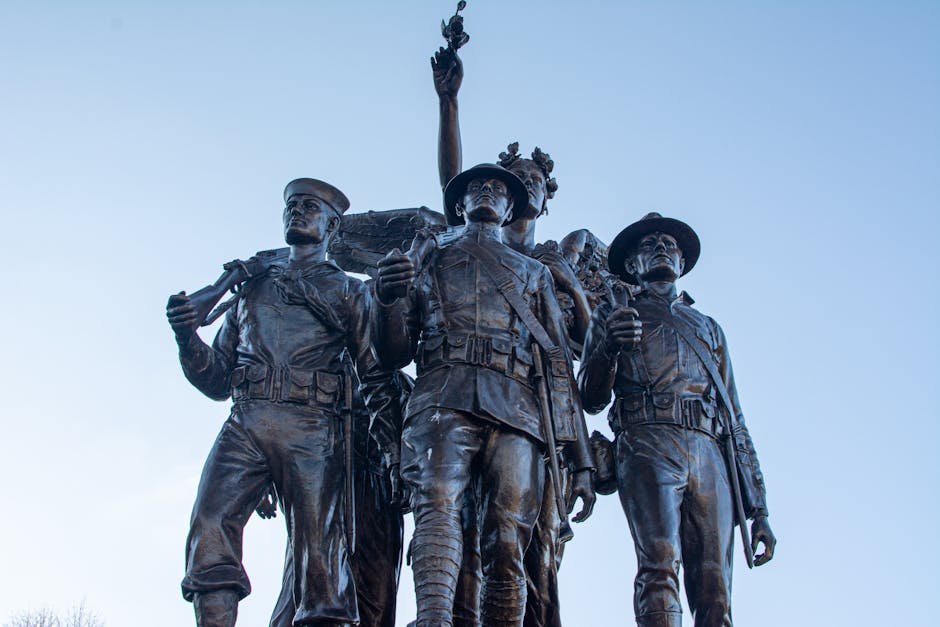
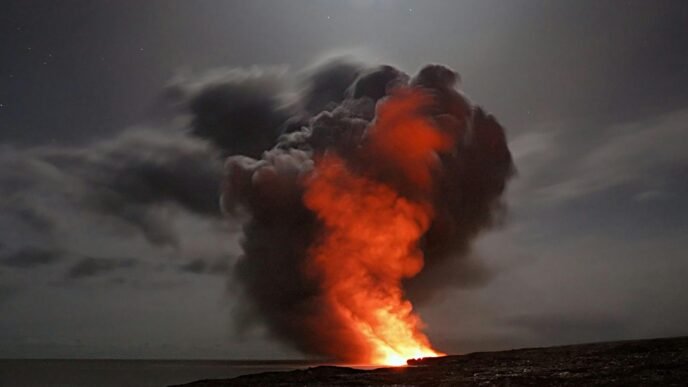
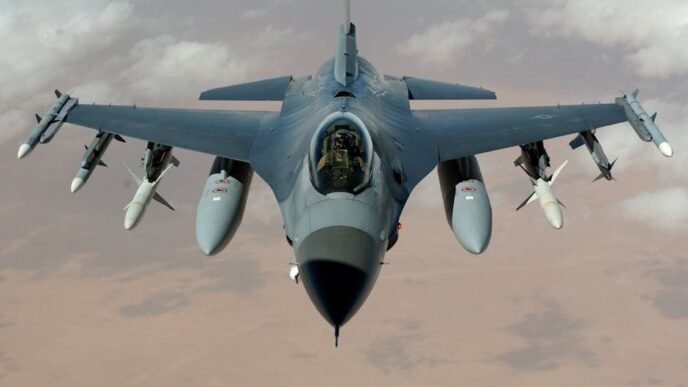
Source: Pexels Image
Escalating Tensions and Fallout
- Neither independent assessments nor international monitors have yet confirmed the extent of damage to Iranian nuclear facilities.
- Both Iran and international monitors reported no immediate radioactive contamination at the targeted sites.
- The attacks have heightened global tensions amid fears of broader regional conflict and potential retaliation from Iran.
As the dust settles on this latest military confrontation, the world holds its breath, uncertain of what the “everlasting consequences” could entail. The question remains: will cooler heads prevail, or has this decisive strike set the stage for an even greater conflagration in the already volatile region?