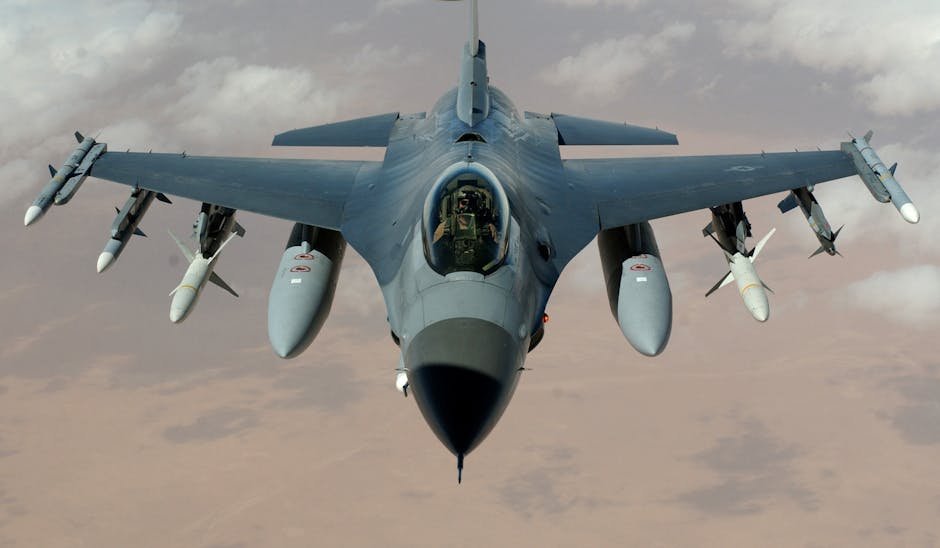
The recent NATO summit in The Hague proved to be a pivotal moment in global politics, marked by President Trump’s assertive stance and the unveiling of a historic ceasefire agreement with Iran. Addressing the assembled leaders, Trump staunchly defended the precision strike on Iran’s nuclear facilities, which he dubbed as “obliteration” – a move he credited as the decisive catalyst for the ceasefire after a swift yet intense “12-day war.”
Reasserting American Deterrence
The President’s words carried a resolute tone, emphasizing that this surgical strike effectively neutralized Iran’s nuclear ambitions and reasserted America’s unwavering deterrence capabilities. In his address, Trump declared: “We have taken decisive action to safeguard our nation and allies from the looming threat of a nuclear-armed Iran.”

Source: Pexels Image
Increased Burden-Sharing Commitments
Beyond the Iran crisis, Trump also highlighted a significant achievement within the NATO alliance itself. According to the President, member states have agreed to substantially increase their defense spending commitments from the previous threshold of 2% to a newly established 5% of GDP. This move aligns with Trump’s longstanding demands for greater burden-sharing among NATO allies, underscoring the alliance’s commitment to robust collective defense.
Domestic Political Shakeup
While the international stage was dominated by Trump’s bold assertions, the political landscape in New York City witnessed a seismic shift. In a surprising turn of events, Andrew Cuomo conceded defeat to Zohran Mamdani in the hard-fought mayoral primary race, signaling a potential shift in the city’s political dynamics.
As the dust settles on these pivotal developments, questions linger about the long-term implications of Trump’s assertive foreign policy stance and the potential ripple effects of New York’s mayoral shakeup. Only time will tell how these events will shape the future trajectory of American politics and global affairs.