Samsung’s new $16.5 billion chip manufacturing deal with Tesla highlights the electric vehicle maker’s abrupt strategic pivot away from in-house artificial intelligence hardware development, as the company dissolves its Dojo supercomputer team and shifts focus to external AI partnerships. This decision reshapes the competitive landscape for automotive AI infrastructure while raising questions about the viability of proprietary systems in the rapidly evolving machine learning sector.
The Rise and Fall of Tesla’s Dojo
Launched in 2021, Tesla’s Dojo supercomputer aimed to process massive datasets from its vehicle fleet using custom D1 chips, with analysts at Morgan Stanley predicting it could add $500 billion to Tesla’s valuation. The system was central to accelerating neural network training for Autopilot, Full Self-Driving (FSD) development, and Optimus humanoid robot projects. However, CEO Elon Musk confirmed the project’s discontinuation via X (formerly Twitter), noting “the gravitational pull of established semiconductor ecosystems proved too strong.”
Source: Pexels Image
New Partnerships Reshape AI Infrastructure
Tesla now plans to leverage:
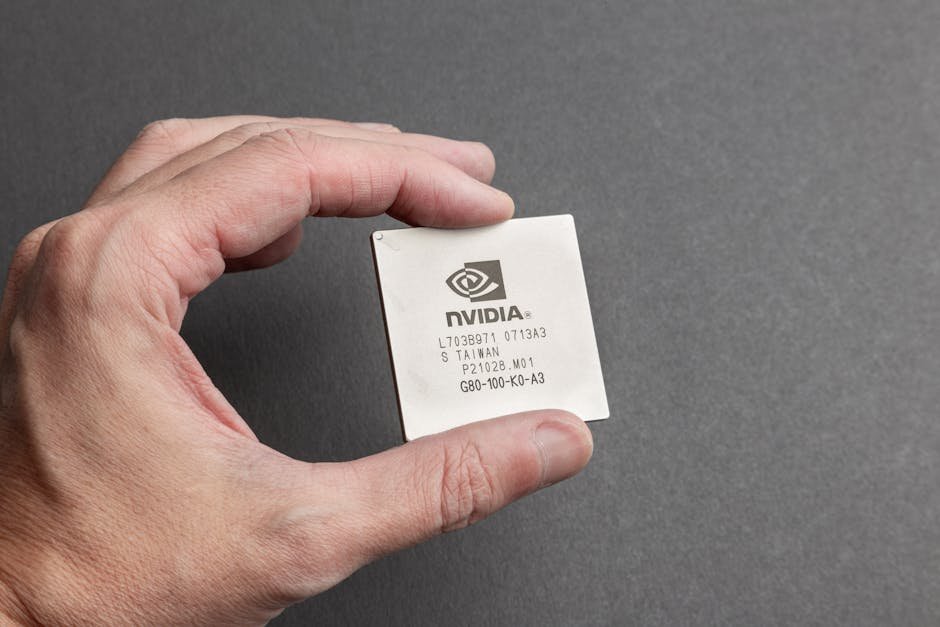
- NVIDIA GPUs for cloud-based AI training
- AMD’s next-gen Instinct accelerators
- Samsung-manufactured FSD and AI6 chips at Texas foundries
The shift comes as TSMC prepares production of Tesla’s AI5 processor using advanced 3nm technology, suggesting hybrid hardware strategies may dominate automotive AI development.
Spin-off Startup Signals Industry Shakeup
Former Dojo lead Peter Bannon’s new venture DensityAI has recruited 20 ex-Tesla engineers, positioning itself as a direct competitor in autonomous driving hardware. This exodus could accelerate innovation in dedicated automotive AI processors, though industry analysts caution that fragmentation might delay Level 4 autonomy breakthroughs.
As automakers increasingly rely on third-party AI solutions, Tesla’s reversal underscores the strategic challenges of balancing proprietary technology with the explosive compute demands of modern machine learning systems. The move may set a precedent for OEMs to prioritize data collection infrastructure over custom silicon development in the race toward autonomous transportation.