
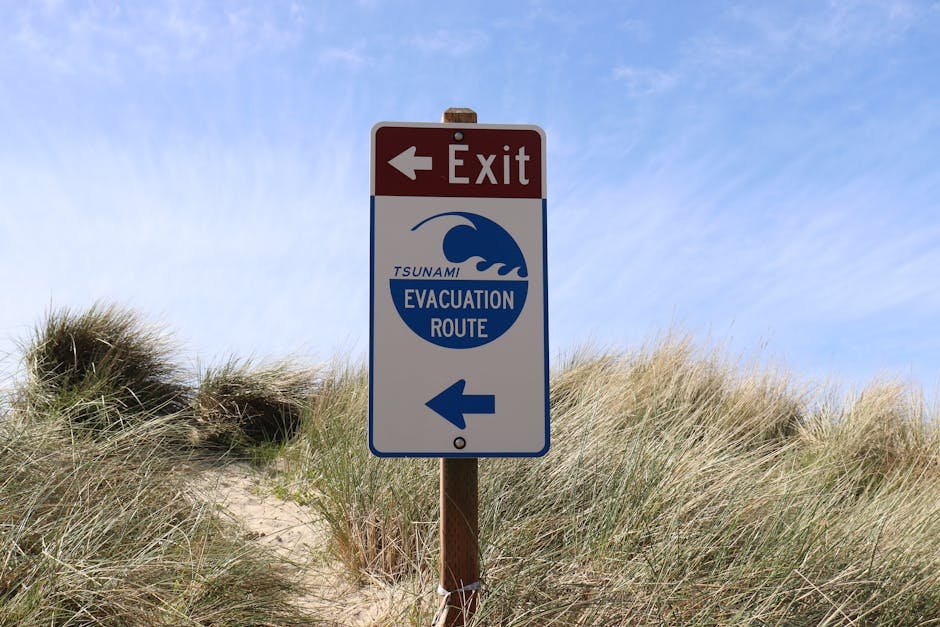
A massive 8.8 magnitude earthquake—one of the six strongest ever recorded—has struck Russia’s remote Kamchatka Peninsula, triggering panic and evacuations across the Pacific basin. Originally measured at 8.0, the official USGS report confirms this historic temblor forced tsunami warnings from Tokyo to California, displacing over two million people from vulnerable coastlines within hours.
Immediate Tsunami Threats Hit Multiple Nations
Russia’s Severo-Kurilsk faced the most direct danger as towering 4-meter (13-foot) waves breached seawalls and submerged infrastructure. First responders performed full evacuations amid frantic damage control. Though warnings rippled across Japan, Hawaii, Alaska and California via the Pacific Tsunami Warning System, New Zealand’s coast saw only 55cm surges, prompting no large-scale evacuations despite alerts.

Source: Pexels Image
Long-Term Geology & Recovery Challenges
With several earthquake-related injuries already confirmed in Russia, scientists warn aftershocks reaching 7.5 magnitude could continue for weeks. The quake now joins 2025’s major seismological events, highlighting vulnerabilities in Pacific coastal regions. The US Geological Survey’s aftershock forecast suggests urgent rebuilding efforts must account for sustained tectonic volatility as climate stresses compound the crisis.
Could this catastrophe accelerate investments in global early-warning systems as Pacific nations seek resilience against increasingly unpredictable geophysical threats?