Poland’s Radical Right: A Growing Threat to Democracy
In recent years, Poland has witnessed a disturbing trend: the rise of far-right extremism. Nationalist and anti-Semitic ideologies are gaining traction, fueling polarization and contributing to a climate of fear and violence. The murder of Gdansk Mayor Pawel Adamowicz in 2019 was a chilling reminder of the dangers posed by this growing threat.
Far-right groups are becoming increasingly visible and influential, both on the streets and in mainstream politics. The annual Independence Day march in Warsaw, which has attracted up to 200,000 participants at its peak, has become a gathering point for international far-right activists. These groups emphasize symbolic identity issues, such as Catholic fundamentalism, traditional family roles, and opposition to the European Union, over economic or social policy concerns.
What’s even more concerning is that mainstream conservative parties, particularly Law and Justice (PiS), have absorbed elements of radical nationalist ideology. This blurring of lines between fringe extremism and established politics is a worrying development that threatens the very foundations of Poland’s democracy.
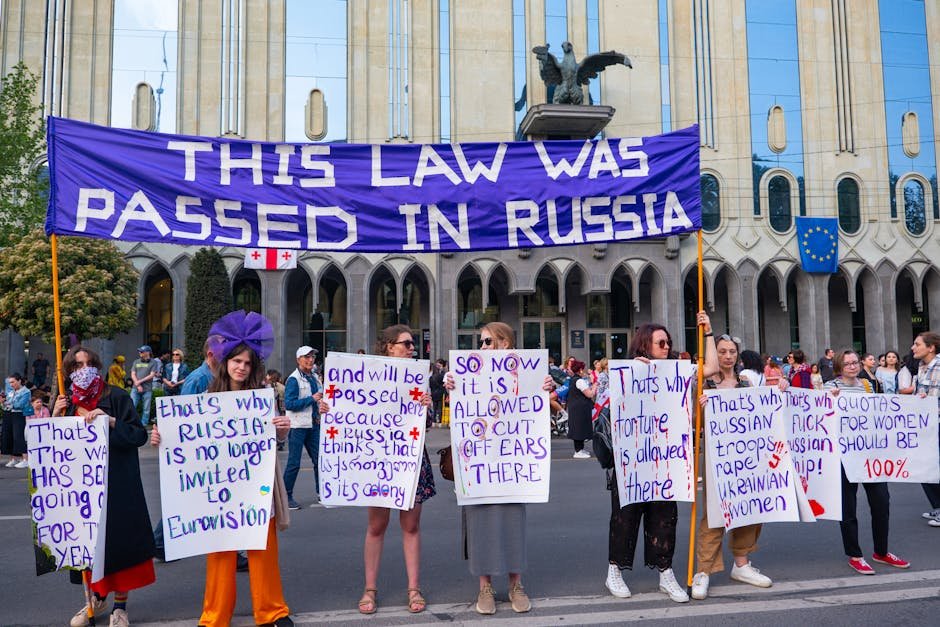
Source: Pexels Image
The rise of the far right in Poland is not an isolated phenomenon. Across Europe, extreme right-wing movements are gaining ground, often with the help of external actors like Russia. Experts warn that these connections could be exploited to destabilize societies through disinformation or sabotage campaigns.
To counter this threat, it’s crucial that Poland’s democratic institutions and civil society remain vigilant. The government must take a strong stance against hate speech and violence, while also addressing the underlying social and economic factors that contribute to radicalization. Education and awareness campaigns can help promote tolerance and understanding, while international cooperation is essential to combat the transnational nature of the far-right threat.
The Way Forward
Poland has a proud history of resistance against totalitarianism and oppression. It’s time for the nation to draw on that legacy and stand up to the forces of extremism. By working together, Poles can build a future based on the values of democracy, human rights, and the rule of law. The alternative – a society torn apart by hatred and division – is simply too high a price to pay.
As the great Polish poet Czesław Miłosz once said, “The old days are gone, for good or ill. Now we face the future, and the road ahead is long.” It’s up to all of us to ensure that the road leads towards a brighter, more inclusive future for all.