NATO Jets Scramble Amid Russian Onslaught as Ukraine Claims Interceptions
Could Eastern Europe’s fragile stability shatter? NATO forces activated fighter jets for the second straight day as Russian missiles rained down on Ukraine’s Poltava and Kremenchuk regions, escalating fears of cross-border conflict spillover.
Allied Air Security at High Alert
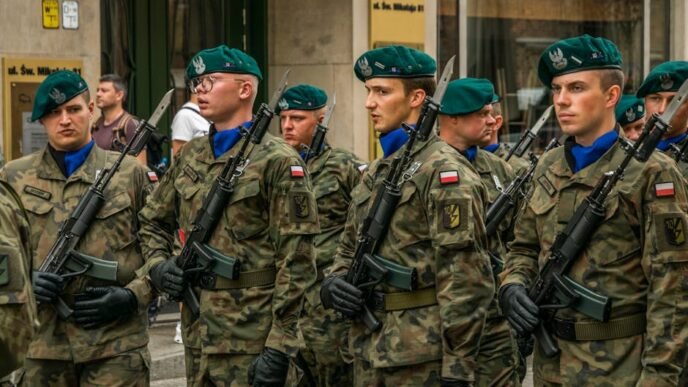
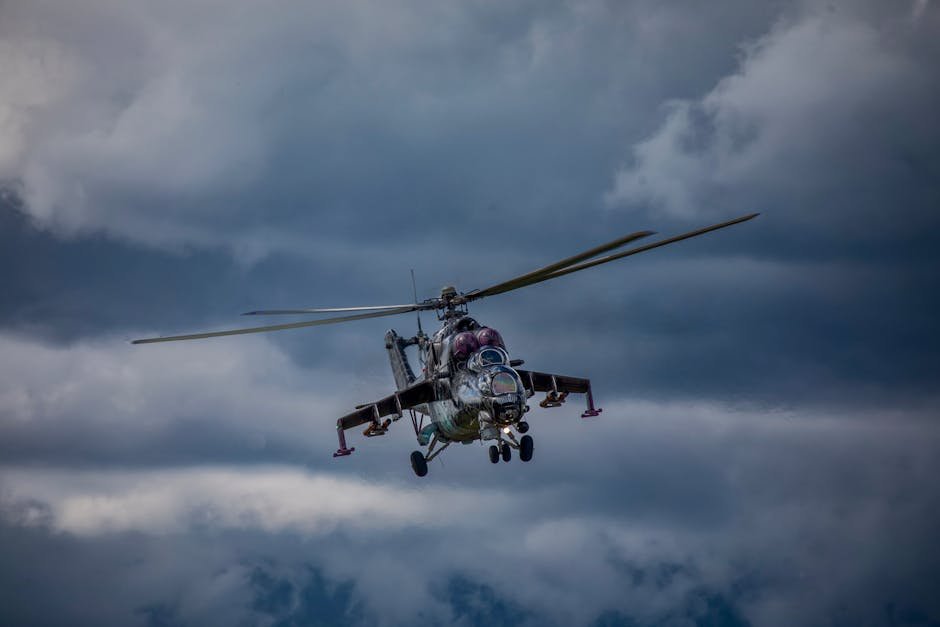
Polish F-16 Fighting Falcons and Swedish JAS-39 Gripens mobilized to guard NATO’s eastern flank during Russia’s missile strike campaign, reflecting heightened alliance concerns about errant attacks penetrating member-state airspace. The repeated deployments highlight persistent risks to frontier nations amid NATO’s eastern defense posture.
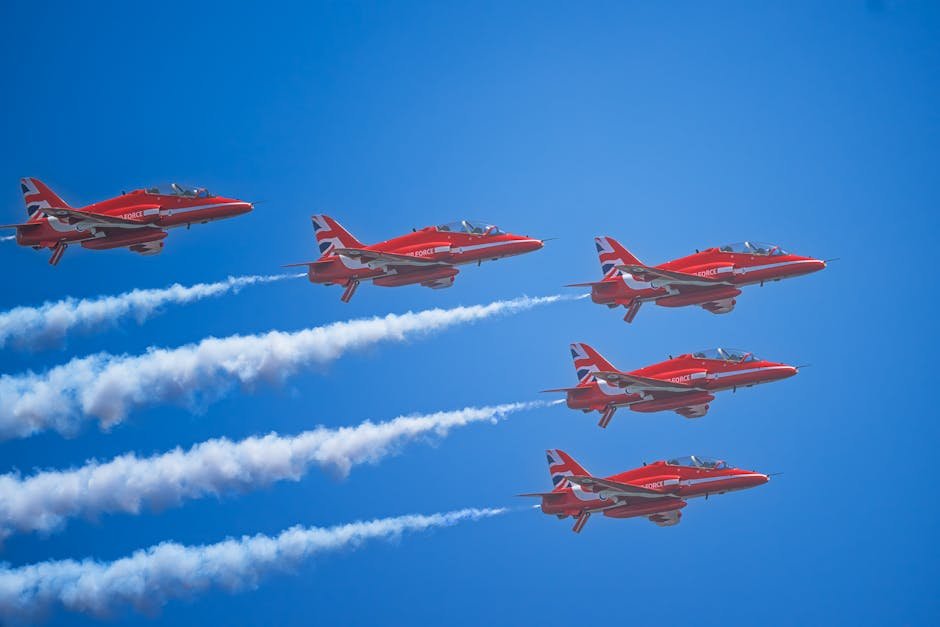
Source: Pexels Image
Ukraine’s Air Defense Tested
Ukrainian officials reported intercepting 236 of 270 explosive drones plus multiple missiles during the assault. While Russia maintained dual messaging—urging peace talks after Zelenskyy-Trump summit—the aerial barrage contradicted diplomatic overtures. The strikes coincided with Ukrainian President Volodymyr Zelenskyy’s Washington meetings seeking bolstered Western support.
Diplomatic Tremors
The attacks unfolded days after President Vladimir Putin approved ceasefire negotiations, yet simultaneously executed one of 2025’s most intensive bombardments. This paradox leaves European capitals questioning Russia’s true intentions despite public demands for de-escalation. Will diplomatic fences hold against relentless firepower?