Materials science enters a new era as researchers from MIT and Duke University unveil AI-engineered polymers demonstrating unprecedented durability. Using machine learning algorithms, the team developed plastics four times more tear-resistant than conventional materials—a breakthrough with profound implications for manufacturing and environmental sustainability.
The AI-Driven Polymer Revolution
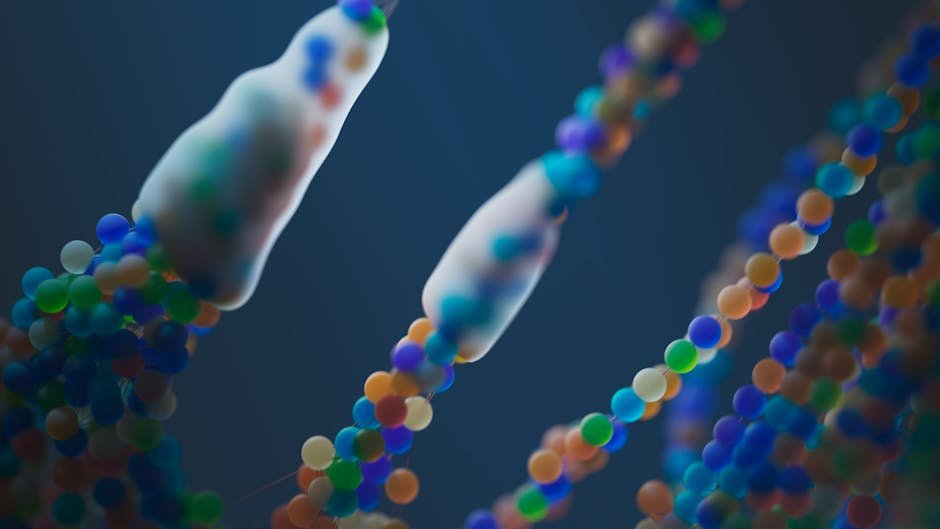
Traditional polymer discovery often relies on trial-and-error experimentation. The team instead trained machine learning models to analyze molecular interactions in mechanophores—stress-responsive molecules that could revolutionize material durability. Their AI identified two critical features: strong interactions between ferrocene ring components and strategically placed bulky side groups.
- Accelerated Discovery: Screened 1,000+ molecular combinations in days vs years
- Unexpected Insights: Found counterintuitive chemical interactions overlooked by humans
- Validation: Synthesized m-TMS-Fc polymer showed 4x toughness increase
Source: Pexels Image
Environmental Impact Amplification
This approach directly addresses plastic waste reduction. “Tougher materials extend product lifespans, potentially lowering production demands by 30% over decades,” lead researcher Ilia Kevlishvili explained. The AI-designed polymers exhibit a unique “strengthen-under-stress” behavior akin to biological tissues, according to MIT’s Heather Kulik.
Smart Materials on the Horizon
The team now expands their AI framework to develop multifunctional mechanophores. Future applications could include:
- Self-reporting plastics that change color when damaged
- Medical implants releasing drugs in response to mechanical stress
- Industrial catalysts activated by physical pressure
While commercialization remains years away, this research demonstrates how machine learning can break through human cognitive biases in materials design. As polymer databases grow, AI-driven discovery could reshape everything from aerospace composites to biodegradable packaging, merging material toughness with environmental responsibility.