
As Japan grapples with rising fears over a prophecy foretelling a catastrophic disaster on July 5, 2025, the real-world implications are already being felt. The prediction, made by manga artist Ryo Tatsuki—dubbed the “New Baba Vanga”—has dominated social media discourse and sent shockwaves through the tourism industry.
According to Tatsuki’s manga “The Future I Saw,” a massive crack will form under the ocean between Japan and the Philippines, triggering tsunamis three times larger than the devastating 2011 Tohoku disaster. While authorities have dismissed any scientific basis for these claims, public anxiety remains high, fueled by recent seismic activity near Tokara Islands and Mount Shinmoe’s eruption.
Tourism Industry Turmoil
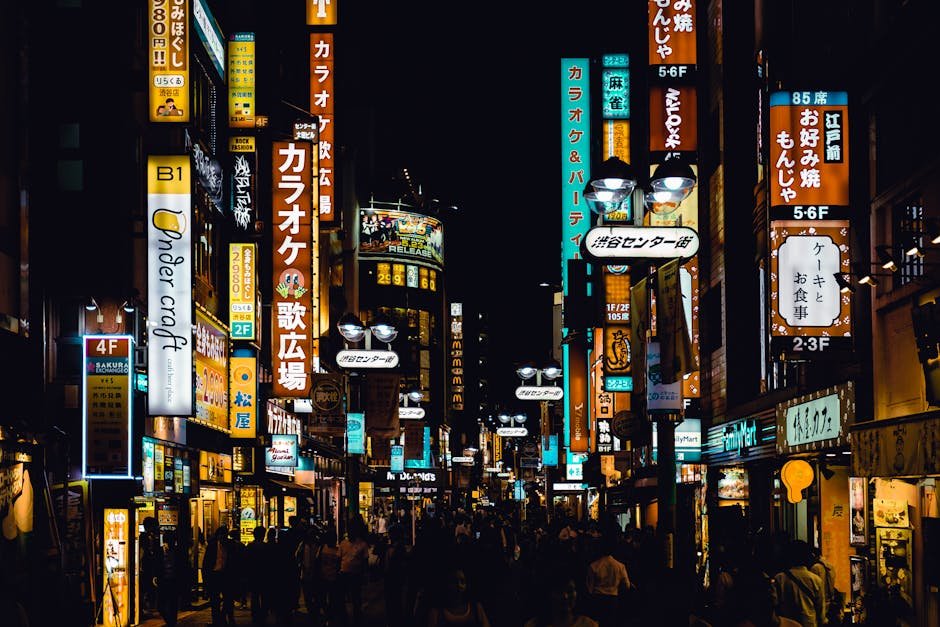
The prophecy has already dealt a significant blow to Japan’s tourism industry. According to reports, flight and hotel reservations from Hong Kong for early July have dropped by nearly 50%. Thousands of tourists from Taiwan, China, and South Korea have canceled their summer trips to Japan, further exacerbating the economic impact.
Source: Pexels Image
Widespread Public Awareness
The widespread reach of social media has amplified the prophecy’s impact, with posts attracting millions of views across East Asia. A June survey revealed that 49.4% of Japanese respondents were aware of the prediction, with awareness highest among teenage girls (61.4%) and women in their fifties (57.8%).
Navigating Uncertainty
As July 5, 2025, draws nearer, the Japanese government faces a delicate balance between addressing public concerns and maintaining economic stability. While scientific experts dismiss the validity of the prophecy, the widespread belief in its potential reality underscores the power of modern storytelling and the need for effective risk communication strategies. The coming months will be a test of Japan’s resilience and its ability to navigate the intersection of science, culture, and public perception.