Tensions in the Middle East have reached a boiling point as Israel launched a massive airstrike campaign against Iran, targeting key nuclear sites, research scientists, and military leadership. The operation, dubbed “Operation Rising Lion,” marks a significant escalation in the long-simmering conflict between the two nations, raising fears of a broader regional war.
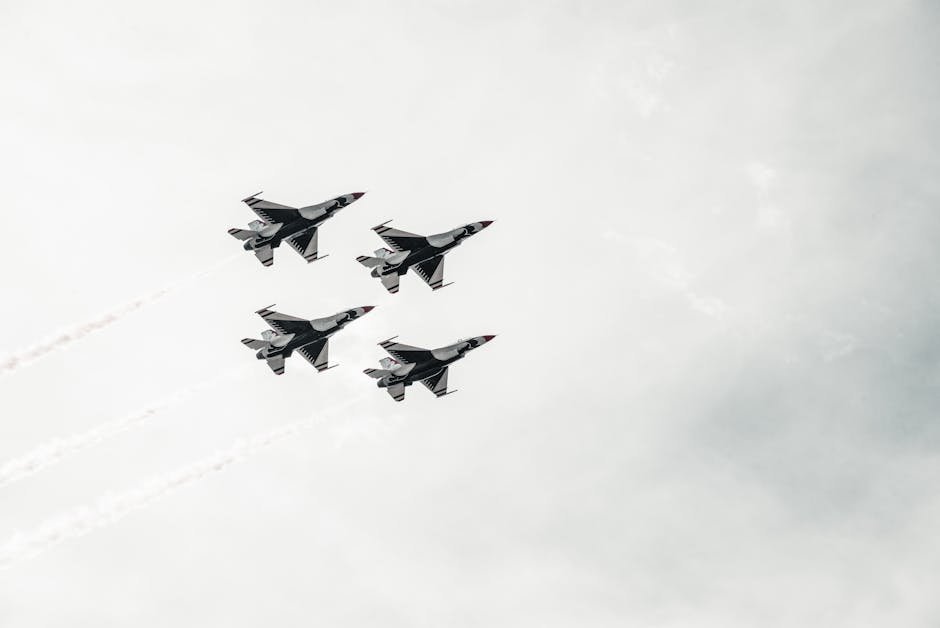
According to reports, over 200 Israeli fighter jets participated in the strikes, unleashing more than 330 munitions on more than 100 targets across Iran. The attacks hit critical facilities in Tehran and Natanz, as well as other strategic locations. Tragically, the head of Iran’s Islamic Revolutionary Guard Corps, Hossein Salami, was among those killed in the strikes.
Israel Vows to Continue Strikes Until Threat is Eliminated
In a statement following the operation, Israeli Prime Minister Benjamin Netanyahu declared that the strikes would continue “for as many days as it takes to remove this threat.” The Israeli government has long viewed Iran’s nuclear program and military capabilities as an existential threat to the Jewish state.
Iran’s Supreme Leader Ayatollah Ali Khamenei responded with a chilling warning, stating that Israel “should await a harsh response.” This ominous statement suggests that retaliation from Iran or its proxy groups, such as Hezbollah, is imminent, potentially plunging the region into a devastating conflict.
Source: Pexels Image
U.S. Emphasizes Israel’s Unilateral Action
The United States, a close ally of Israel, was quick to distance itself from the operation. Secretary of State Marco Rubio stressed that Israel acted unilaterally and urged Iran not to target U.S. interests or personnel in response to the strikes.
International Community Watches with Bated Breath
The international community is watching the situation closely, with many countries expressing deep concern over the potential for a wider conflict. The strikes have drawn significant attention from global leaders, who are urging restraint on both sides to prevent further escalation.
As the world holds its breath, the question remains: will cooler heads prevail, or will the Middle East descend into a catastrophic war that could reshape the region for years to come? The coming days and weeks will be critical in determining the path forward, as the international community works to defuse tensions and prevent further bloodshed.