Iranian Political Prisoner Protests Shackled Hospital Transfer, Raising Rights Concerns
The recent hospitalization of Abolfazl Ghadyani, an Iranian political prisoner, has once again brought the treatment of detainees in Iran under scrutiny. Ghadyani, who was admitted to a hospital in Tehran, initially refused to be transferred while restrained in handcuffs and leg cuffs. His objection to the shackled transfer ultimately led to his admission without restraints, but the incident highlights ongoing concerns about the rights and welfare of political prisoners in Iran.
According to reports, Ghadyani’s insistence on being transferred without shackles underscores the degrading nature of such restraints, particularly when a prisoner is in need of medical attention. The use of handcuffs and leg cuffs during hospital transfers has been a contentious issue, with human rights organizations arguing that it violates prisoners’ basic rights and dignity.
Ongoing Concerns Over Prisoner Treatment
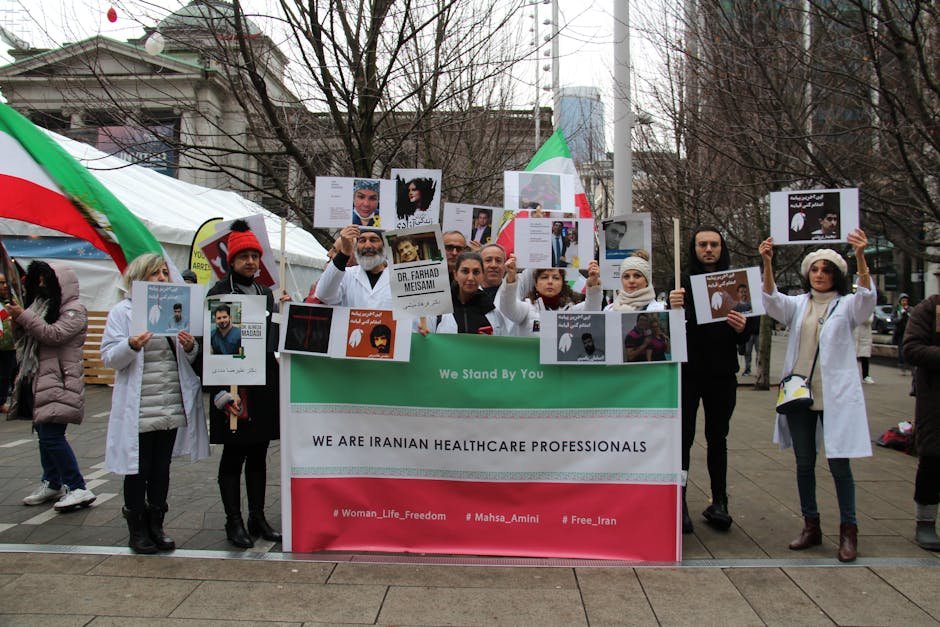
Ghadyani’s case is not an isolated incident. Human rights groups have repeatedly raised concerns about the treatment of political prisoners in Iran, particularly regarding their access to adequate healthcare and the conditions under which they are transferred to medical facilities. Reports indicate that Iranian authorities have been accused of denying lifesaving medical care to prisoners, putting their lives at risk.
Source: Pexels Image
The denial of medical care and the use of restraints during hospital transfers are not only a violation of prisoners’ rights but also a breach of international human rights standards. The United Nations Standard Minimum Rules for the Treatment of Prisoners, also known as the Nelson Mandela Rules, clearly state that prisoners should receive the same standard of healthcare available in the community and that the use of restraints should be limited to exceptional circumstances.
Calls for Reform and Accountability
Human rights organizations and activists are calling on the Iranian government to address the systemic issues within its prison system and ensure that all prisoners, including political detainees, are treated with dignity and respect. They urge the authorities to investigate allegations of mistreatment and hold those responsible accountable for their actions.
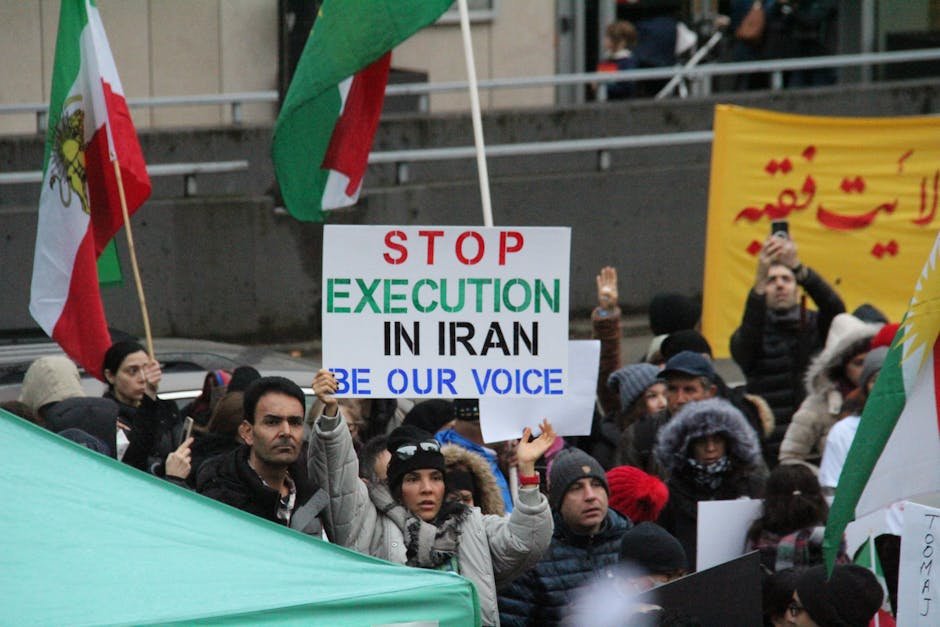
The international community has also expressed concern over the situation of political prisoners in Iran. Many countries and international bodies have called on Iran to uphold its obligations under international human rights law and to ensure that prisoners have access to necessary medical care without discrimination or undue restraint.
The Way Forward
Abolfazl Ghadyani’s protest against being shackled during his hospital transfer serves as a stark reminder of the ongoing struggle for prisoners’ rights in Iran. It is crucial that the Iranian government takes concrete steps to address these concerns and implement reforms that guarantee the humane treatment of all prisoners, regardless of their political beliefs or affiliations.
As the world watches, it remains to be seen whether Iran will heed the calls for change and work towards creating a prison system that respects human rights and upholds the inherent dignity of every individual. The fate of political prisoners like Ghadyani hangs in the balance, and the international community must continue to advocate for their rights and hold the Iranian authorities accountable for any violations.