
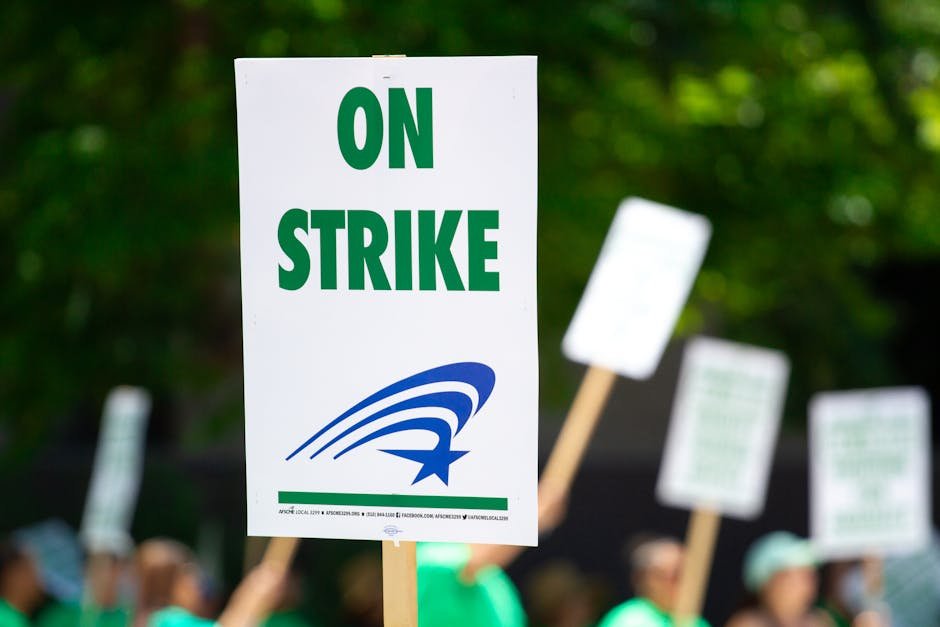
Millions of workers across India are gearing up for an unprecedented nationwide strike on Wednesday, putting the spotlight on growing tensions between trade unions and the government over labor reforms. The coordinated action, described as potentially the largest strike globally, involves over 250 million workers across a wide range of critical sectors such as banking, insurance, postal services, coal mining, highways, construction, factories, state transport, and public sector enterprises.
Unions Accuse Government of Anti-Worker Policies
The strike, organized by 10 central trade unions and hundreds of worker associations, is a protest against what unions describe as “anti-worker,” “anti-farmer,” and pro-corporate government policies. At the heart of the dispute are new labor codes that unions argue weaken trade union rights and job protections while promoting privatization and contractual jobs.
“More than 25 crore workers are expected to take part in the strike. Farmers and rural workers will also join the protest across the country,” said Amarjeet Kaur, General Secretary of the All India Trade Union Congress (AITUC).
Source: Pexels Image
Lack of Dialogue and Unresolved Demands
Unions accuse the government of ignoring their concerns despite submitting a 17-point demand charter to Labour Minister Mansukh Mandaviya. Their grievances include:
- Lack of annual labor conferences for a decade
- Increased working hours with reduced rights
- Insufficient recruitment and wage improvements
- Youth unemployment
Harbhajan Singh Sidhu, General Secretary of the Hind Mazdoor Sabha (HMS), warned that essential services would be affected during the strike. With farmers’ groups also joining the action in solidarity, the nationwide protest could significantly disrupt the country’s economic activities.
A Crossroads for India’s Labor Reforms
The strike highlights the growing tensions between the government’s push for labor reforms and workers’ concerns over job security and rights. As India navigates its post-pandemic economic recovery, finding a balanced approach that addresses both economic competitiveness and workers’ demands will be crucial. Can the government and unions reconcile their differences and reach a mutually acceptable compromise, or will the standoff escalate further?