Illinois Lawmakers Pass $55 Billion Budget, But Mass Transit Funding Remains Uncertain
The Illinois General Assembly has managed to pass a $55 billion state budget for the 2026 fiscal year, but the future of the Chicago region’s mass transit system hangs in the balance as lawmakers failed to approve critical funding before the end of the spring legislative session on Saturday night.
The budget plan, which was unveiled just one day before the May 31st deadline, includes new revenue sources through tax hikes on gambling, tobacco, and vape products. It also features a delinquent tax payment incentive program proposed by Governor JB Pritzker, which is estimated to generate about $198 million in revenue.
Budget Cuts and Increases
In an effort to balance the budget, lawmakers have eliminated a health care program that provided benefits to undocumented immigrants in Illinois between ages 42 and 64, saving the state approximately $330 million. The budget also includes:
- $307 million in additional funding for K-12 schools
- No $43 million in property tax relief funds called for under the state’s evidence-based school funding model
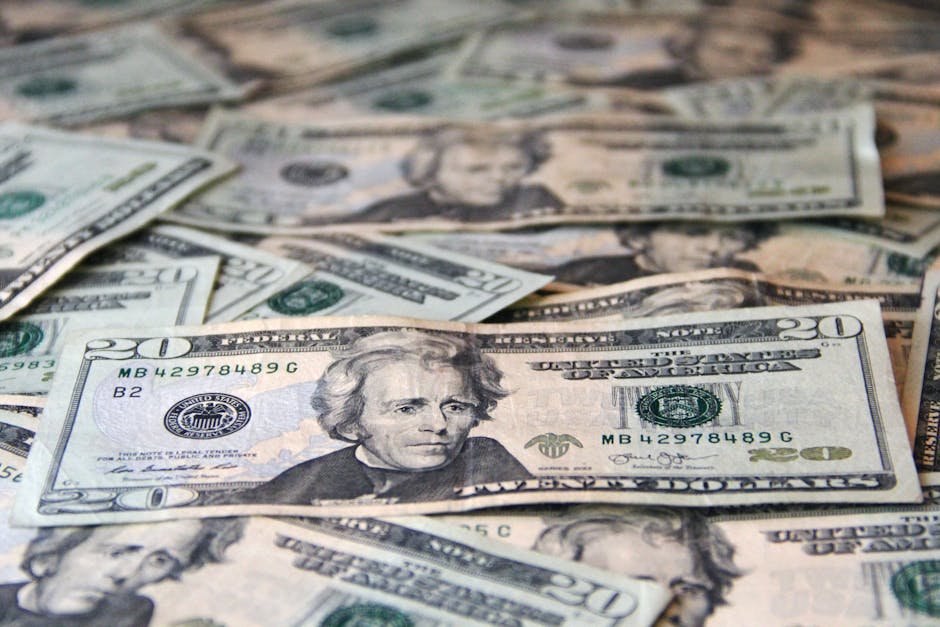
Source: Pexels Image
Mass Transit Funding Crisis Looms
The most pressing issue left unresolved by the budget is the looming $770 million budget deficit facing the Chicago region’s mass transit system in 2026. Transit officials have warned that without state funding, the CTA, Metra, and Pace must begin planning for service cuts of up to 40% for next year.
The lack of action on mass transit funding has left many lawmakers and constituents concerned about the future of public transportation in the Chicago area. As the region’s economy continues to recover from the COVID-19 pandemic, reliable and affordable mass transit will be crucial for getting people back to work and school.
Deadline Pressure and Political Implications
The budget’s passage came down to the wire, with lawmakers working against the May 31st deadline. After this date, a much higher threshold percentage of votes would have been required for the budget to pass. The narrow timeline and high stakes put immense pressure on the General Assembly to come to an agreement.
As Illinois looks ahead to the 2026 fiscal year, the political implications of this budget will be closely watched. With the 2024 elections on the horizon, how voters perceive the actions taken by lawmakers in this budget cycle could have a significant impact on the state’s political landscape.
The $55 billion budget may have addressed some of Illinois’ most pressing fiscal concerns, but the unresolved mass transit funding crisis leaves a cloud of uncertainty hanging over the state’s largest metropolitan area. As lawmakers return to their districts, they will undoubtedly face tough questions from constituents about the future of public transportation and the long-term economic health of the region.