IBM’s AI-Driven Layoffs Backfire: The Limits of Automation Exposed
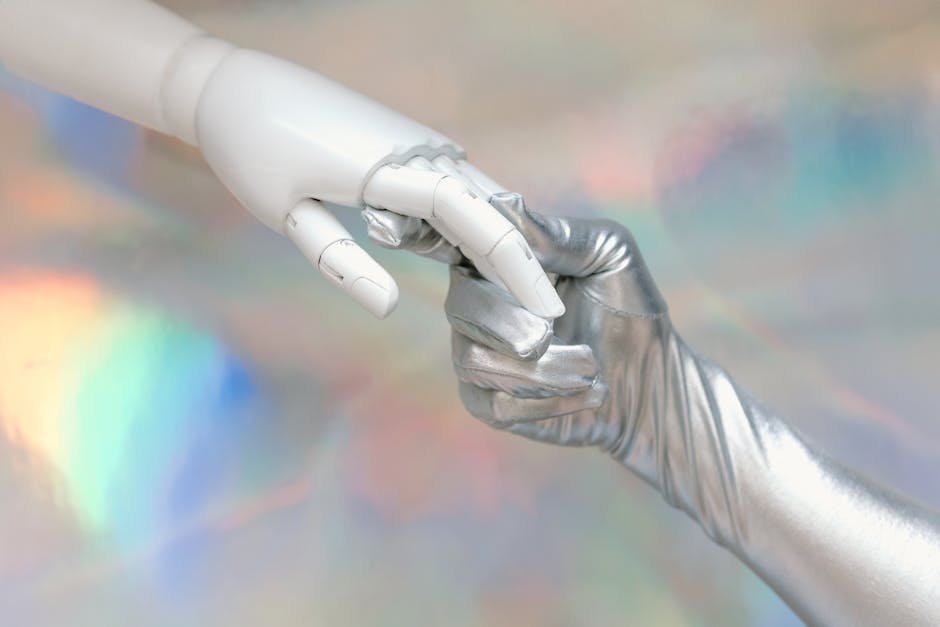
In a stark reminder of the limitations of artificial intelligence, tech giant IBM has quietly begun rehiring thousands of employees after an aggressive round of layoffs aimed at automating human resources functions with its AI-powered AskHR platform. The company’s initial goal was to leverage AI for greater efficiency, particularly within HR, but the plan quickly unraveled as operational gaps and the technology’s inability to handle complex, nuanced tasks became apparent.
According to internal sources, IBM laid off approximately 8,000 employees in 2023 as part of its streamlining initiative. However, the company soon realized that its AI system could not fully replace the need for skilled human workers in roles demanding empathy, critical thinking, and adaptability. As a result, IBM began rehiring staff—ultimately bringing back nearly as many employees as were initially let go—to address these shortcomings and maintain business continuity.
Source: Pexels Image
This episode has sparked an industry-wide debate about the practical limits of automation. While AI can undoubtedly enhance productivity in certain areas, it is not a panacea for all business challenges. The technology struggles with tasks that require human judgment, emotional intelligence, and the ability to navigate ambiguity—all essential skills in the modern workplace.
Balancing AI Efficiencies with Human Expertise
IBM’s experience serves as a cautionary tale for companies looking to rapidly automate core functions without carefully considering the potential pitfalls. As businesses increasingly adopt AI solutions, it is crucial to strike a balance between AI-driven efficiencies and the essential human expertise that underpins successful operations. Some key lessons from IBM’s case include:
- Thoroughly assess the capabilities and limitations of AI tools before implementation
- Identify roles and tasks that require human judgment, empathy, or adaptability
- Develop strategies to seamlessly integrate AI with human workers for optimal results
- Continuously monitor and adjust AI implementations to address gaps or unintended consequences
While IBM executives have not issued detailed public statements on the reversal, internal sources indicate a renewed focus on finding the right balance between AI-powered automation and the invaluable contributions of human employees. As the tech industry continues to grapple with the implications of AI, IBM’s experience offers a timely reminder that the path to successful automation is not always straightforward, and that the human element remains a critical component of organizational success.