
Can international pressure force meaningful humanitarian access to Gaza? Israeli Prime Minister Benjamin Netanyahu faces intensifying global condemnation as 27 nations and senior EU officials warn famine is ravaging Palestinian territories. Over 500,000 Gazans endure famine-like conditions, with one-third going days without food – a crisis demanding urgent political solutions.
The Devastating Human Toll
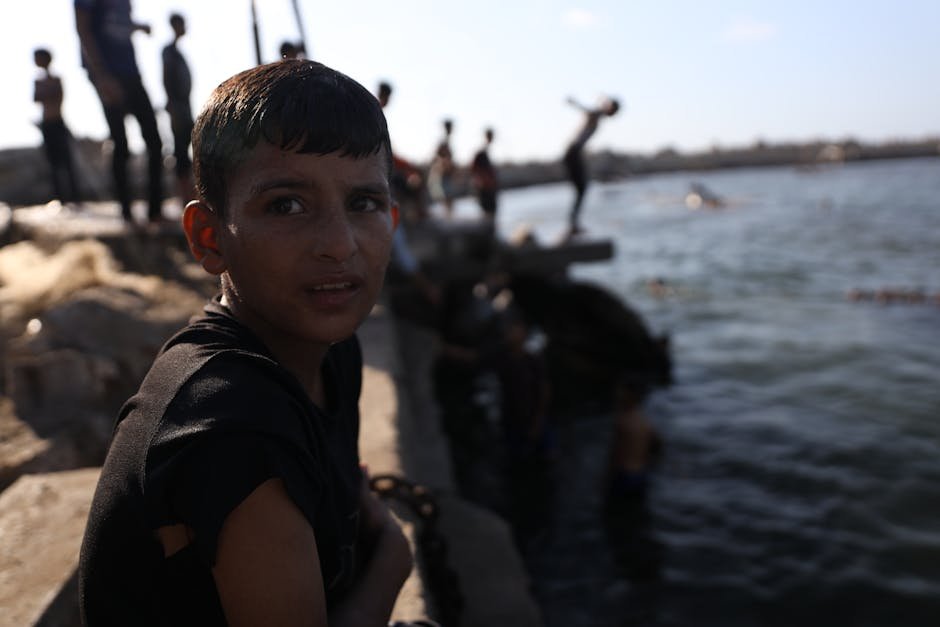
UN reports reveal heartbreaking consequences: acute malnutrition among children under five has quadrupled in just two months, now affecting 16.5% of young children in Gaza City. Shockingly, nearly 1,400 Palestinians have been killed while seeking food since late May, mostly by Israeli military actions near aid routes. UN investigators confirm none were engaged in hostilities during these tragic incidents, highlighting the vulnerability of civilians trapped by conflict.
Source: Pexels Image
International Demands Grow Sharper
A coalition representing over two dozen nations has issued a joint statement demanding Israel immediately authorize all NGO aid shipments and remove barriers blocking essential humanitarian operations. The document, backed by major international organizations including UN agencies assessing famine thresholds, calls for an immediate ceasefire to halt starvation by ensuring safe aid corridors.
Diplomatic Paralysis
While pressure mounts from nations like those represented by this coalition, key international responses remain limited. Proposals within the European Union to sanction Israel through restrictions on trade agreements or arms exports remain stalled amid internal debates. This diplomatic gridlock persists as UN documentation shows civilian deaths during aid distribution attempts continue.
Can Netanyahu’s administration navigate escalating calls for humanitarian action without triggering broader geopolitical repercussions? With lives disappearing daily not just from bombs but starvation, global powers face mounting pressure to convert urgent warnings into concrete solutions.