
The Federal Reserve’s decision to maintain the federal funds rate target range at 4.25-4.50% on June 18, 2025 has set the stage for a potential policy pivot in the months ahead. Despite a resilient economic expansion and robust labor market, the central bank acknowledged persistent and somewhat elevated inflationary pressures, signaling a willingness to consider rate cuts later this year.
Steady Monetary Policy Stance
In a widely anticipated move, the Federal Open Market Committee (FOMC) held the benchmark interest rate unchanged for the fourth consecutive meeting, according to the FOMC statement. Policymakers cited:
- Continued solid economic growth
- Low unemployment levels
- Inflation running above the 2% target
Forward Guidance Hints at Easing
However, the Fed’s latest forward guidance introduced the possibility of two 25 basis point rate cuts by year-end. “The Committee is attentive to inflation risks,” said a strategist at Morgan Stanley. “The downgrade reflects long-standing fiscal pressures exacerbated by global supply chain disruptions.” By contrast, some analysts argue that the recent surge in consumer prices is transitory, warranting a more gradual policy approach.

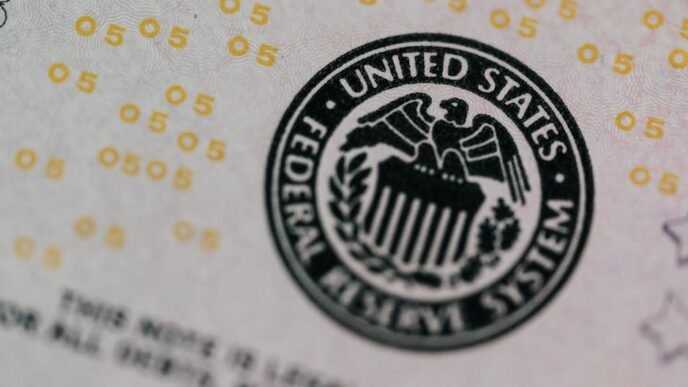
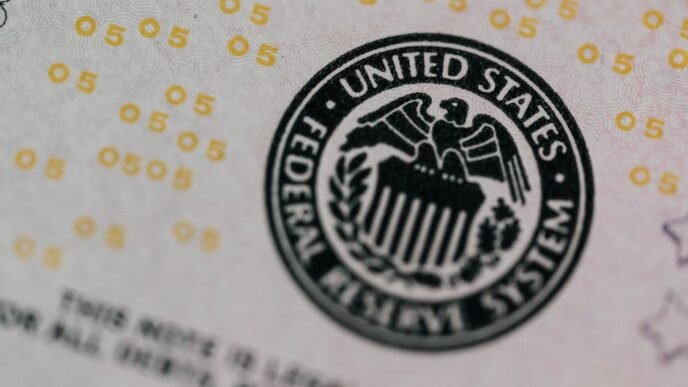
Source: Pexels Image
Balance Sheet Reduction Continues
Meanwhile, the Fed reaffirmed plans to continue reducing holdings of Treasury securities and agency mortgage-backed securities, a process initiated in 2022 to normalize its balance sheet. This ongoing quantitative tightening could potentially impact long-term borrowing costs and overall financial conditions.
Financial Market Implications
The FOMC’s decision and forward guidance are expected to drive significant market activity and discussion within the financial community. Historically, such shifts in monetary policy stance have rippled across various asset classes, including equities, fixed income, and currencies. Investors may consider reevaluating their portfolios and risk exposures as the economic outlook evolves.