
Dow Futures Slide as US-China Tensions Reignite, OECD Cuts Growth Outlook
The Dow Jones Industrial Average futures are tumbling in early trading on Monday, as rekindled tensions between the United States and China weigh heavily on investor sentiment. The renewed trade frictions, coupled with a dimmer economic forecast from the Organization for Economic Cooperation and Development (OECD), have sent shockwaves through global financial markets.
The Dow closed at 42,305.48 on Friday, June 2, 2025, marking a modest uptick from the previous trading session’s close of 42,270.07 on May 30. However, the index has struggled to maintain its momentum, posting a year-to-date return of -0.9% in 2025. Despite this recent setback, the Dow has still managed to deliver an impressive 38.1% gain between 2021 and 2025.
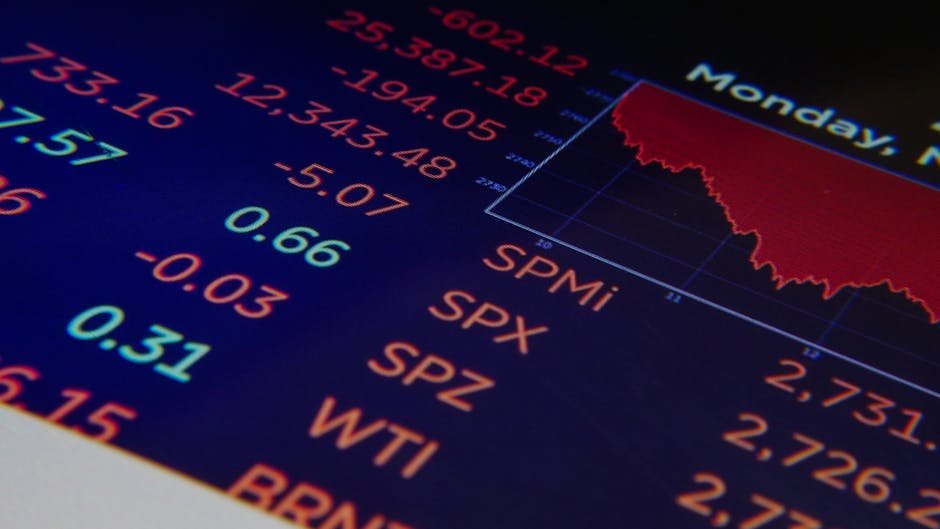
Source: Pexels Image
The resurgence of US-China trade tensions has caught investors off guard, as the two economic powerhouses had previously signaled a willingness to resolve their differences. The sudden shift in rhetoric has sent ripples through the stock market, with the S&P 500 and Nasdaq also experiencing significant declines alongside the Dow.
“The renewed trade tensions between the US and China have caught the market by surprise,” commented a senior analyst at JPMorgan Chase. “Investors had grown accustomed to a more stable relationship between the two nations, and this sudden change in tone has sparked a risk-off sentiment.”
OECD Lowers US Growth Forecast
Compounding the market’s woes, the OECD has revised its growth outlook for the United States downward, citing the potential impact of the escalating trade dispute. The international organization now anticipates slower economic expansion for the world’s largest economy, further dampening investor confidence.
As the Dow futures continue to slide, market participants are closely monitoring developments in the US-China trade saga. Many are hoping for a swift resolution to the conflict, as prolonged uncertainty could lead to increased volatility and potentially derail the global economic recovery.
Navigating the Volatile Market Landscape
In light of the current market turmoil, investors may need to reassess their portfolios and consider adopting a more defensive stance. Sectors such as utilities, healthcare, and consumer staples, which tend to be less sensitive to economic fluctuations, may offer some shelter during periods of heightened volatility.
Additionally, diversifying across asset classes and geographical regions could help mitigate the impact of any further market downturns. As always, investors should consult with their financial advisors to determine the most appropriate strategy for their unique circumstances and risk tolerance.
As the global financial community keeps a watchful eye on the evolving US-China trade situation and its potential consequences, the coming days and weeks are likely to be marked by ongoing uncertainty. Only time will tell whether the two nations can find common ground and restore stability to the markets.