South Africa’s Disabled Youth: The Ongoing Fight for Inclusion and Equality
In a nation still grappling with the legacy of apartheid, South Africa’s disabled youth face a daunting reality. While the country’s overall youth unemployment rate stands at a staggering 44.3%, for those living with disabilities, the numbers are even more dire, with unemployment rates soaring to 80-90% according to recent studies.
This economic exclusion has far-reaching consequences, perpetuating a cycle where disability becomes both a cause and consequence of poverty. Many disabled-headed households lack access to basic amenities like flush toilets, sanitation, and electricity, further compounding the challenges they face.
The Roots of the Disability Rights Movement
The fight for disability rights in South Africa can be traced back to 1984, when youth injured during anti-apartheid protests transformed their personal trauma into political action. These brave activists redefined disability not merely as a medical condition, but as a consequence of structural violence and systemic exclusion, paving the way for a new understanding of disability rights.

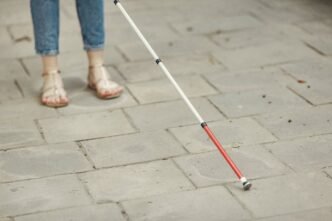
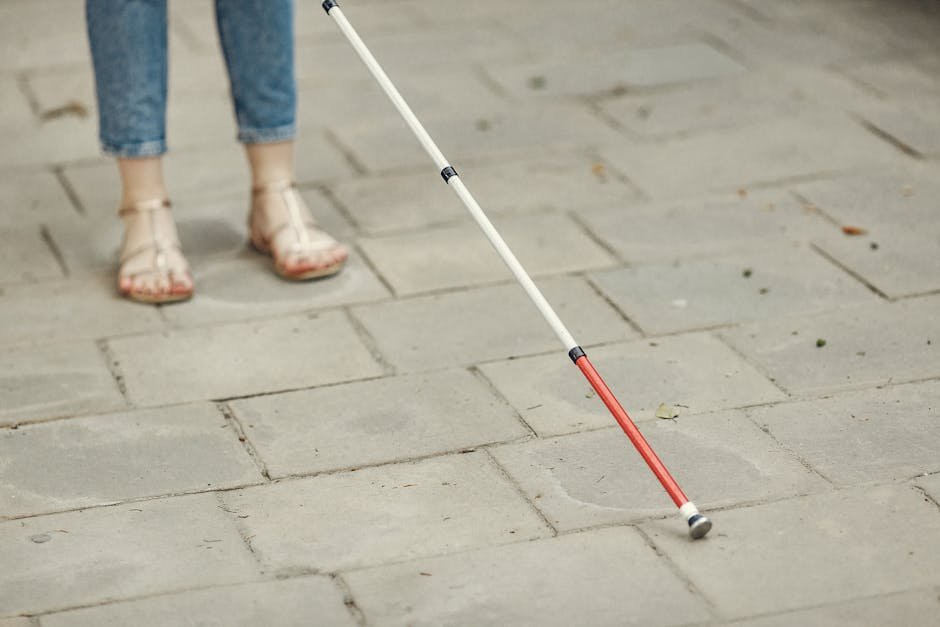
Source: Pexels Image
The Divide Within the Disabled Youth Community
However, the path to progress is not without its obstacles. Within the disabled youth community, a significant divide exists between those attending special schools versus mainstream schools. This division affects perceptions of identity and community, with special schools often fostering a sense of shared disability experience, while mainstream schools can promote integration but sometimes lead to feelings of marginalization.
This disunity undermines collective advocacy efforts, highlighting the urgent need for both educational and societal reforms. Only by creating a barrier-free society that unites all disabled youth under common goals can true progress be achieved.
The Way Forward
Addressing the challenges faced by South Africa’s disabled youth requires a multi-faceted approach. The government must prioritize inclusive education, ensuring that all students have access to the support and resources they need to thrive. Additionally, employers must be incentivized to hire and accommodate disabled workers, breaking down the barriers to economic participation.
But change cannot come from the top down alone. It is crucial that the voices of disabled youth themselves are heard and amplified. By sharing their stories and advocating for their rights, these young activists can shape the national conversation and drive meaningful progress.
The fight for inclusion and equality for South Africa’s disabled youth is far from over. But with determination, unity, and a commitment to justice, a brighter future is possible – one where every young person, regardless of their abilities, can thrive and reach their full potential.