
As global economic growth shows signs of stagnation, major tech firms are doubling down on artificial intelligence investments at unprecedented rates – a strategic pivot reshaping how industries operate and compete. Over $200 billion flowed into AI R&D and infrastructure in 2024 alone, according to Silicon Valley analysts, fueling breakthroughs in generative AI systems while testing the boundaries of workforce evolution and regulatory frameworks.
The AI Gold Rush Reshapes Business Infrastructure
Tech giants and cloud providers are constructing next-gen AI factories, with spending targeting three key areas:
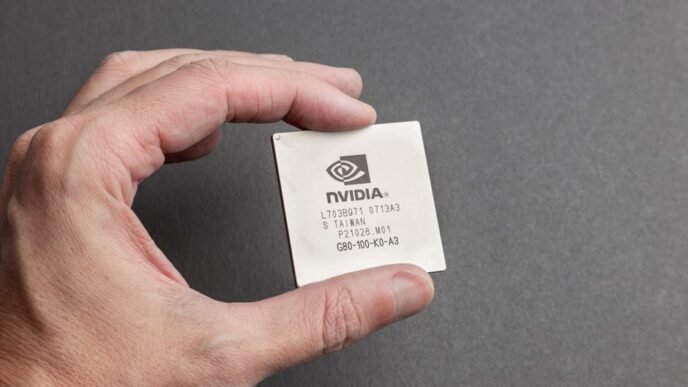
- Specialized AI chips surpassing traditional GPU capabilities
- Scalable cloud architectures for enterprise AI integration
- Multimodal models combining text, image, and code processing
This infrastructure arms race has enabled 70% faster training times for large language models compared to 2023 benchmarks, while production-grade tools now offer real-time data synthesis across finance, healthcare, and manufacturing workflows.

Source: Pexels Image
Workforce Impacts and the Skills Divide
The investment surge creates paradoxical labor market effects. Demand for machine learning engineers grew 140% year-over-year, with six-figure salaries becoming standard for AI specialists. However, a recent analysis notes that 23% of knowledge workers now face task automation risks, intensifying debates about reskilling initiatives.
Policy Debates Intensify Amid Rapid Deployment
As companies race to deploy AI tools, researchers emphasize the need for guardrails. “We’re seeing capability growth outpace governance structures,” warns MIT AI researcher Dr. Lena Chou. Legislative efforts face headwinds from aggressive tech lobbying – reports show AI-related policy meetings with lawmakers increased 300% since 2023.
The coming years will test whether AI’s productivity promises can align with ethical deployment. While developers tout upcoming neuro-symbolic AI hybrids that better understand cause-and-effect relationships, policymakers grapple with fundamental questions about accountability in autonomous systems. One trend remains clear: AI investment has become the new competitive currency in global tech leadership.