Stocks Face Decade-Long Stagnation Warning Despite 2024 Rally
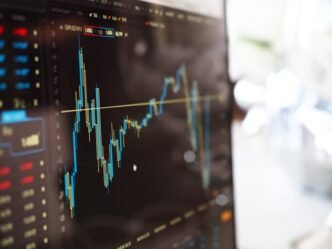
The S&P 500’s 20% year-to-date surge masks growing concerns that US equities could deliver subpar returns through 2034, according to multiple forecasts from institutional analysts. While tech stocks propelled the Nasdaq-100 to parallel gains, warnings mount that current valuations leave markets exposed to economic shocks and shifting Federal Reserve policy.
Valuations Stretch Beyond Historical Benchmarks
- S&P 500 trades at 21x forward earnings vs 15x 10-year average
- Buffett Indicator (market cap/GDP) nears 190% – levels last seen before 2008 crash
- Corporate profit margins face pressure from sticky wage growth
“This isn’t 1999, but fundamentals no longer justify premium multiples,” noted a Vanguard strategist in their 2024 market outlook. The 10-year Treasury yield hovering at 4% offers investors alternative returns, reducing equities’ relative appeal.

Source: Pexels Image
Fed Policy Tightrope Walks Into Uncharted Territory
Forecasts suggest just 50 basis points of rate cuts in 2024 unless inflation retreats faster than expected. The flattening yield curve reflects trader skepticism about economic soft landings. Meanwhile, options markets price 23% volatility for Q4 – nearly double 2023’s average.
Navigating the Uncertainty
While Goldman Sachs recently upgraded its near-term S&P 500 target, long-term models paint a cautious picture. Investors are diversifying into:
- Short-duration bonds benefiting from higher rates
- International markets with lower valuations
- Sectors less tied to consumer spending
As margin debt reaches $800 billion and meme stock activity resurges, quality screens gain importance. “The next correction could create selective buying opportunities,” suggests a Fidelity analysis, noting support levels near 4,800 on the S&P 500.
Market veterans recall that 2010-2020’s 13.6% annual returns occurred amid falling rates and stable inflation – conditions unlikely to repeat. With the Shiller P/E ratio at 34 vs historical average of 17, today’s investors face a high hurdle for outperformance.