
OpenAI has set a new benchmark in artificial intelligence with the official announcement of GPT-5 launching August 2025. This next-gen AI model delivers groundbreaking technical capabilities, including a 1 million input token context window—over 30× larger than GPT-4 Turbo—enabling analysis of full novels, multi-hour video transcripts, or complex financial reports in a single interaction. Coupled with 100,000 output tokens, it promises to reshape industries from legal tech to software development by eliminating the fragmentation of prior systems.
Technical Leap: Memory, Reasoning & Multimodal Mastery
GPT-5 introduces three transformative upgrades:
- Persistent Memory: Reduced hallucination rates via improved long-term data retention, critical for medical or engineering applications
- Autonomous Agentic Architecture: Executes multi-step tasks like itinerary planning or code debugging without human intervention
- Native Multimodal Processing: Unified handling of text, images, audio, and video, surpassing GPT-4’s modular approach

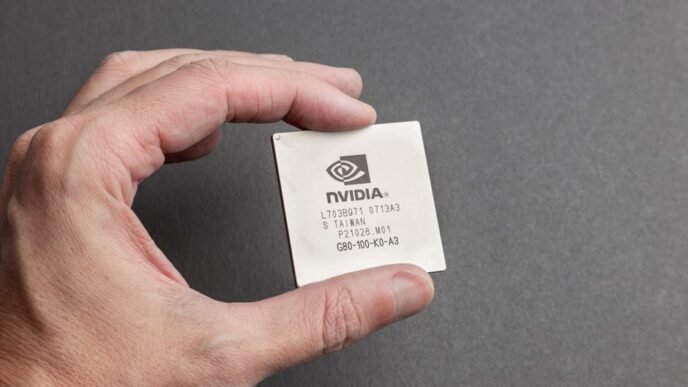
Source: Pexels Image
Real-World Impact & Ethical Considerations
The tiered release strategy—Free, Plus, and Pro tiers—positions GPT-5 for mass adoption while monetizing advanced features. Early adopters could see 40–60% efficiency gains in data-heavy sectors, according to CapraCode’s analysis. However, its autonomous capabilities raise questions about accountability, with OpenAI’s documentation emphasizing safeguards against unintended actions.
The New AI Frontier
As developers prepare for GPT-5’s API release (projected Q4 2025), its trillion-token training corpus and o3-level reasoning suggest transformative potential. From real-time scientific paper analysis to dynamic video editing tools, this model could redefine human-AI collaboration—provided the industry addresses nascent challenges in ethical deployment and computational demands.