
A massive 8.8 magnitude earthquake shook Russia’s remote Kamchatka Peninsula early Tuesday, triggering tsunami alerts across the Pacific Rim and testing emergency response systems from Japan to Hawaii. The powerful tremor – among the strongest recorded in the region since 1952 – highlights growing concerns about disaster preparedness in earthquake-prone coastal communities as scientists warn of rising seismic activity.
Massive Quake Triggers Regional Alerts
The quake struck just 85 miles east of Petropavlovsk-Kamchatsky at 12:26 a.m. local time, rattling residents awake as buildings swayed and power grids failed. Russian authorities immediately launched evacuations on Sakhalin Island, while Japan’s Meteorological Agency warned of 3-foot waves reaching Hokkaido’s eastern shores. “This could be the first of several waves,” cautioned a spokesperson from the Pacific Tsunami Warning Center, noting potentially dangerous surges for 12+ hours.
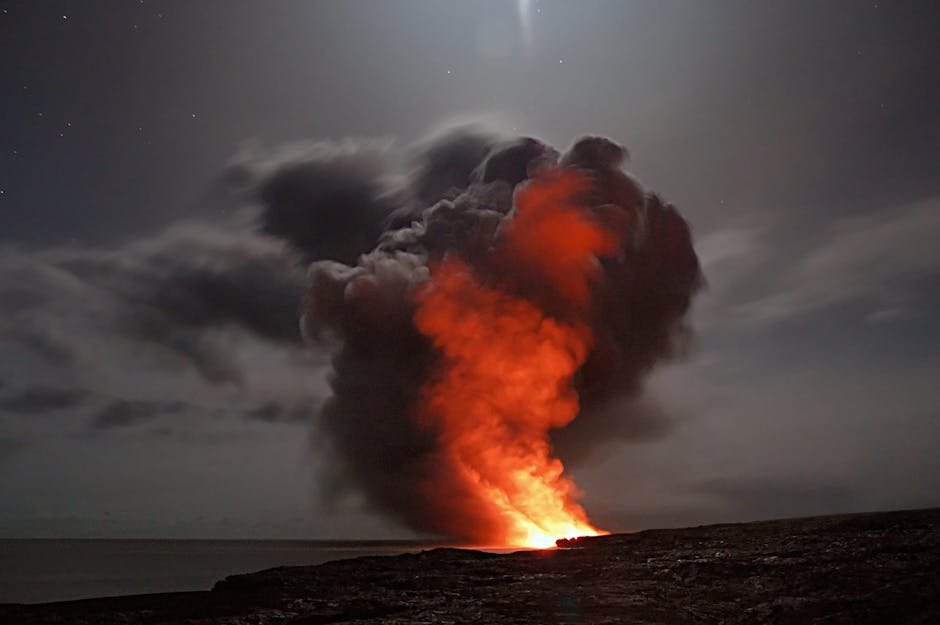
Source: Pexels Image
Disruptions and Ongoing Risks
The temblor’s relatively shallow 12-mile depth amplified ground shaking, causing:
- Mobile network outages across Kamchatka’s capital
- Emergency protocols activated at Alaska’s Aleutian Islands
- Coastal school closures in Hawaii and Guam
While initial waves measured below predicted heights, the U.S. West Coast remains under advisory, with harbor masters conducting boat evacuations. Scientists emphasize that secondary tremors could still trigger larger tsunamis, particularly along convergent tectonic boundaries.
A Test for Pacific Preparedness
This event marks the fourth major quake near the Kamchatka Trench this decade, reigniting debates about infrastructure resilience. As climate change alters sea levels and seismic patterns, can global early-warning systems keep pace with nature’s growing fury? For coastal communities from Tokyo to Anchorage, Tuesday’s alert sirens may serve as both a warning and a drill for disasters yet to come.