
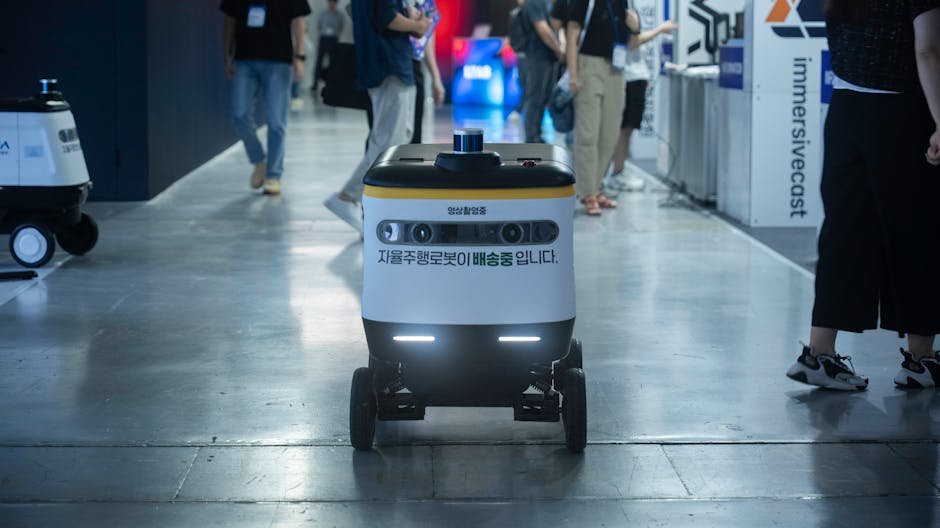
Tech giants like Microsoft, Google, and Meta have collectively eliminated over 100,000 jobs in 2025, marking the industry’s largest workforce reduction since the 2008 financial crisis – and artificial intelligence is taking center stage as the catalyst. A Fortune analysis reveals 57% of companies now attribute downsizing to AI adoption, with roles from software engineering to HR administration being automated at unprecedented speed.
From Code to Corporate Strategy: AI Reshapes Tech Workforce
Microsoft’s radical shift exemplifies the trend: Its $80 billion AI investment fuels automated systems handling 30% of code production and 40% of internal help desk requests. Other key displacements include:
- Automated DevOps pipelines replacing junior developer roles
- LLM-powered contract analysis displacing legal staff
- AI customer service agents handling Tier 1 support
Source: Pexels Image
The Retraining Paradox
While companies emphasize “workforce transformation,” only 12% of affected workers receive upskilling support according to NerdWallet data. This gap fuels tensions as displaced employees face a reconfigured job market demanding AI literacy and specialization in tools like cloud-based ML platforms.
A New Professional Paradigm
As Satya Nadella noted in recent TechCrunch coverage, “AI isn’t replacing jobs – it’s replacing tasks.” However, Stanford researchers estimate 43% of current tech roles involve automatable tasks. The emerging consensus: professionals must evolve into AI orchestrators, focusing on strategic oversight of automated systems rather than manual implementation.
As boards prioritize AI ROI, the industry faces a critical challenge – balancing efficiency gains with workforce development. With generative AI adoption accelerating 300% year-over-year, this structural shift may redefine technical careers faster than existing safety nets can adapt.