The peaceful afternoon at Milestone College in Dhaka turned into unimaginable tragedy when a Bangladesh Air Force FT-7BGI fighter jet plummeted from the sky, crashing directly into the school campus during peak class hours. What started as an ordinary Monday in July has now become the nation’s deadliest military aviation disaster in over fifteen years, leaving families shattered and a community demanding answers.
## Devastating Impact on Young Lives
The crash occurred at 1:12 pm on July 21, 2025, when students were actively attending classes. The military aircraft, reportedly experiencing mechanical problems during a landing attempt, struck the educational facility with devastating force. At least 31 people lost their lives—the majority being children—while 165 others sustained injuries ranging from minor to critical.
This tragedy marks Bangladesh’s worst military aviation accident since 2008, highlighting serious concerns about flight safety protocols over densely populated urban areas. The timing couldn’t have been more catastrophic, as hundreds of students were present on campus during regular school hours.
## Community Erupts in Protest
Source: Pexels Image
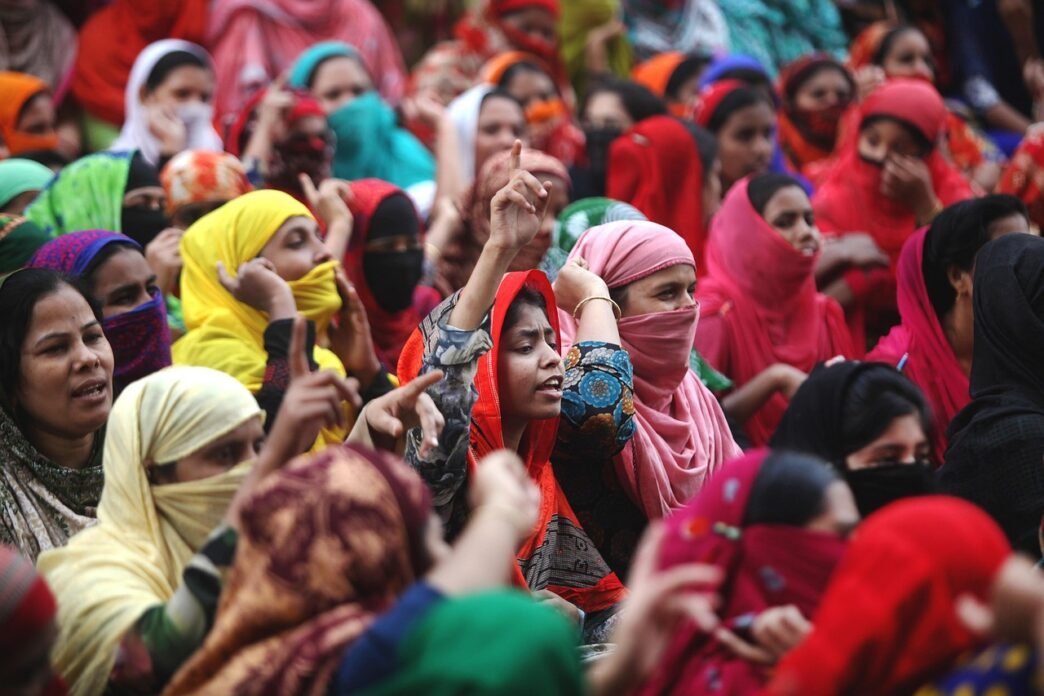
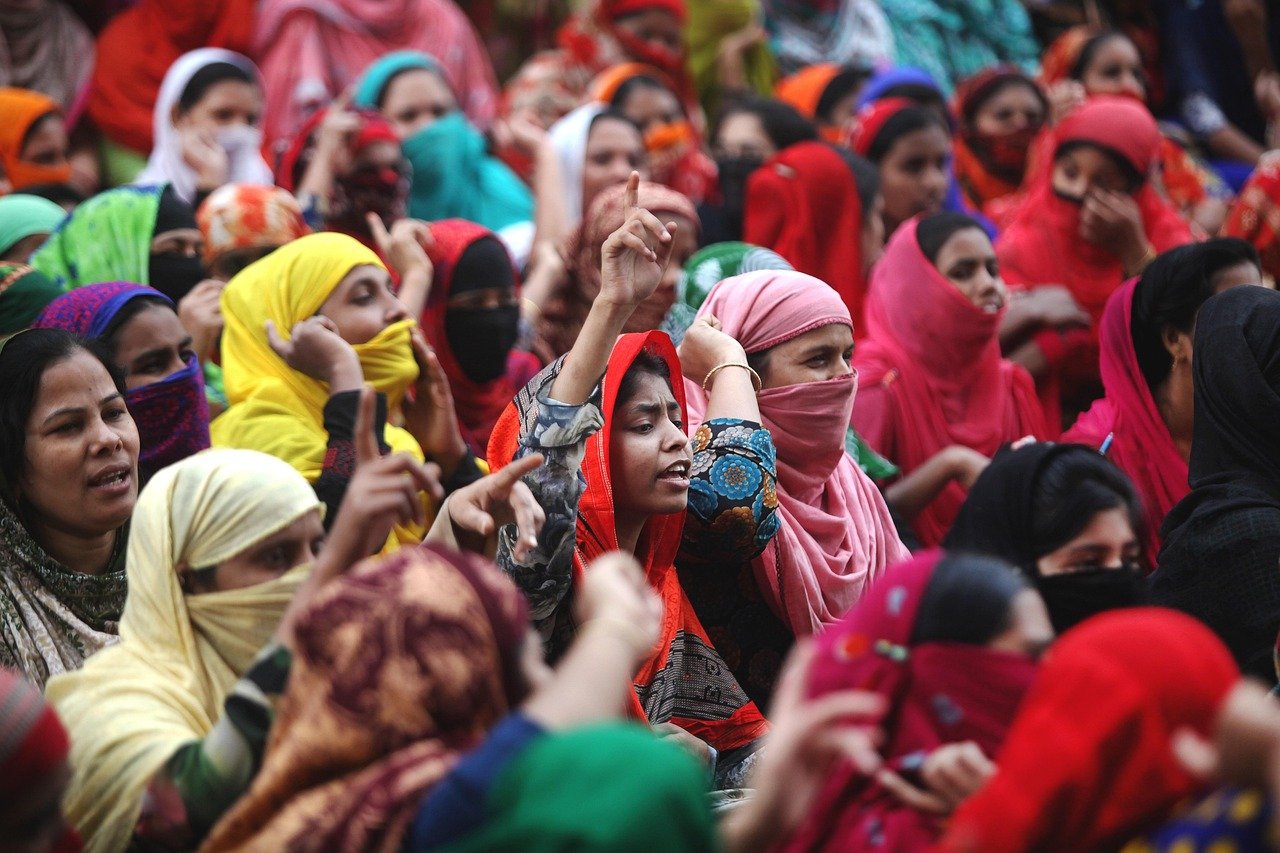
Hundreds of students gathered near the crash site, their voices echoing through the streets as they demanded immediate accountability from government authorities. The protesters called for transparent investigations into the mechanical failure and comprehensive compensation packages for victims’ families. Their anger reflects deeper frustrations about military operations conducted over civilian areas without adequate safety measures.
## Government Response and Investigation
Bangladesh Air Force officials have launched a full investigation into the FT-7BGI fighter jet’s mechanical malfunction. The incident has sparked nationwide discussions about aviation safety protocols and emergency response procedures when military aircraft experience technical difficulties over populated regions.
Will this tragedy finally prompt stricter regulations for military flights over civilian areas, or will it become another statistic in Bangladesh’s aviation history?