
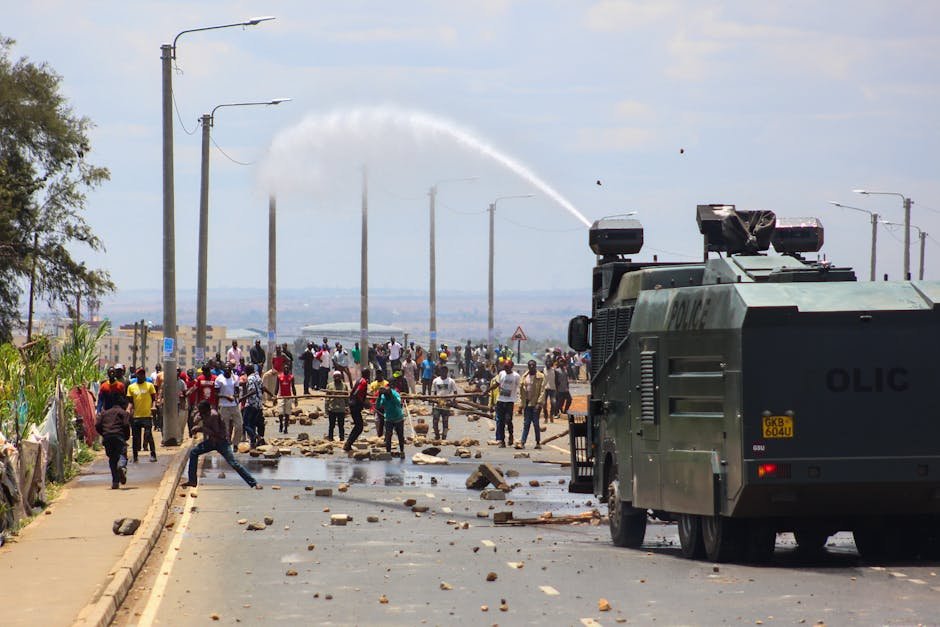
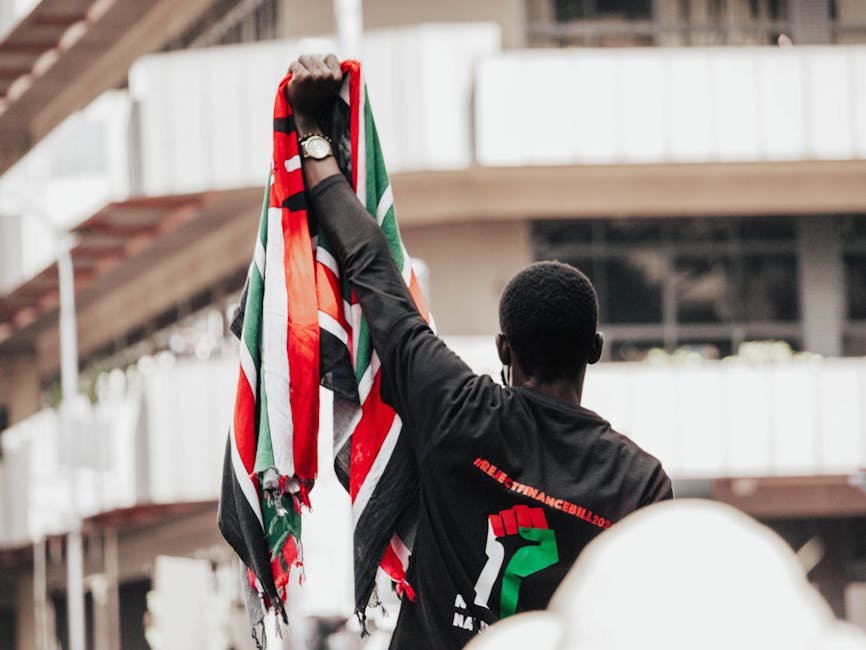
Cries of frustration echoed across Kenya’s streets as thousands of predominantly youthful protesters unleashed their outrage, commemorating the tragic events of last year’s deadly demonstrations. Tensions have escalated to a boiling point, fueled by mounting discontent over burdensome taxes, skyrocketing living costs, youth unemployment, and allegations of pervasive government corruption.
Tragic Toll and Escalating Unrest
According to reports from a prominent rights group, the violent anti-government protests have claimed the lives of at least 19 individuals, while 15 others remain unaccounted for. The majority of fatalities are attributed to law enforcement’s use of live ammunition against the protesters, leaving over 400 individuals injured and at least 61 arrested.
The unrest, which initially erupted in the capital Nairobi, quickly spread to multiple counties nationwide. Authorities attempted to suppress live media coverage of the protests, but their efforts were thwarted by a court order upholding the public’s right to information.
Allegations of Brutality and Injustice
- Protesters accused security forces of extrajudicial killings and forced disappearances.
- Families reported being pressured by police to bury victims without post-mortems, fueling suspicions of cover-ups.
Source: Pexels Image
A Call for Systemic Change
The widespread protests reflect the mounting frustrations of Kenya’s youth, who are grappling with the harsh realities of economic hardship and perceived injustice. As the nation grapples with this crisis, the question remains: will the government address the legitimate grievances of its citizens or further escalate tensions through force? The world watches, uncertain of the path Kenya will take, but hopeful for lasting peace and justice.