In a staggering cybersecurity breach, a publicly accessible database containing over 184 million unique login credentials for major tech platforms, financial institutions, health services, and government websites was discovered online. The massive trove of sensitive data, found by cybersecurity researcher Jeremiah Fowler, included usernames, passwords, emails, and direct login URLs for platforms such as Google, Microsoft, Apple, Facebook (Meta), Instagram, and Snapchat, as well as banking portals and government sites from multiple countries.
Infostealer Malware: The Culprit Behind the Breach
The credentials were harvested via infostealer malware—malicious tools designed to extract sensitive information, including account logins, from compromised devices or breached websites. According to Bitdefender’s analysis, the database itself was left completely unprotected, with no encryption or password protection. Anyone with the link could access the raw data file of approximately 47 GB in plain text format, making it a goldmine for threat actors seeking to exploit stolen credentials.
Wide-Ranging Impact: From Tech Giants to Government Portals
The breach affected a wide range of systems, including:
- Major technology platforms (Google Workspace, Microsoft 365, Apple ID, Facebook, Instagram, Snapchat)
- Financial institutions and banking portals
- Health service providers
- Government websites across various countries
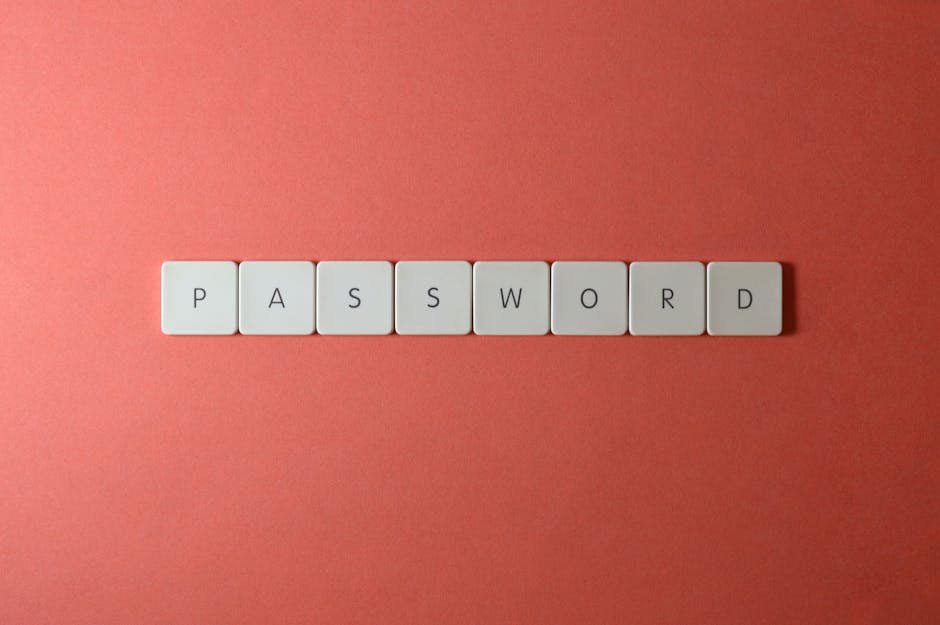
Source: Pexels Image
No Direct Vulnerabilities in Tech Giants’ Systems
While the scale of the breach is alarming, there is no evidence to suggest a vulnerability in the affected tech giants’ own systems. Instead, the breach stems from infostealer malware infecting individual users’ devices. However, the aggregation of stolen credentials into an open database dramatically increased the risk by making sensitive information easily accessible to threat actors.
Protecting Your Accounts: Mitigation Measures
To mitigate the risk of account compromise, security experts recommend the following steps:
- Change passwords immediately for any accounts associated with the affected platforms
- Enable two-factor authentication (2FA) whenever possible
- Monitor accounts for suspicious activity
- Use a reputable password manager to generate and store unique, strong passwords for each account
As the investigation into the breach continues, the incident serves as a stark reminder of the importance of robust cybersecurity measures and the potential impact of infostealer malware on both individual users and major technology platforms. Organizations and individuals alike must remain vigilant in protecting their sensitive data and credentials from falling into the wrong hands.