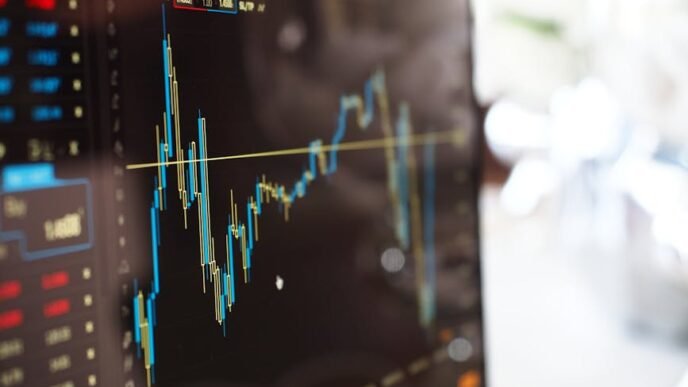
Uncertainty reignited on Wall Street as President Trump’s two-week delay in deciding whether to bomb Iran left markets grappling with extended geopolitical risk. Futures pointed to a lower open, with the S&P 500 dipping 0.2% to 6,022.0, the Nasdaq 100 down 0.2% to 21,904.25, and the Dow Jones Industrial Average sliding 0.3% to 42,392.0 in post-holiday trading.
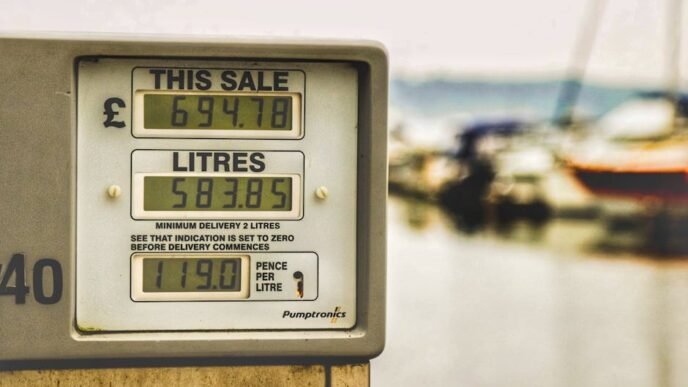
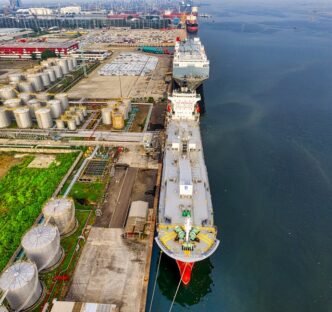
The prolonged limbo unnerved investors, who interpreted the pause more as a drawn-out threat than a genuine step toward de-escalation. Concerns lingered that Middle East tensions could disrupt oil flows through the critical Strait of Hormuz, potentially sending prices soaring.
“That means two weeks of uncertainty for financial markets,” warned UBS chief economist Paul Donovan, underscoring that the Iran conflict is still widely seen as a regional rather than global economic danger.

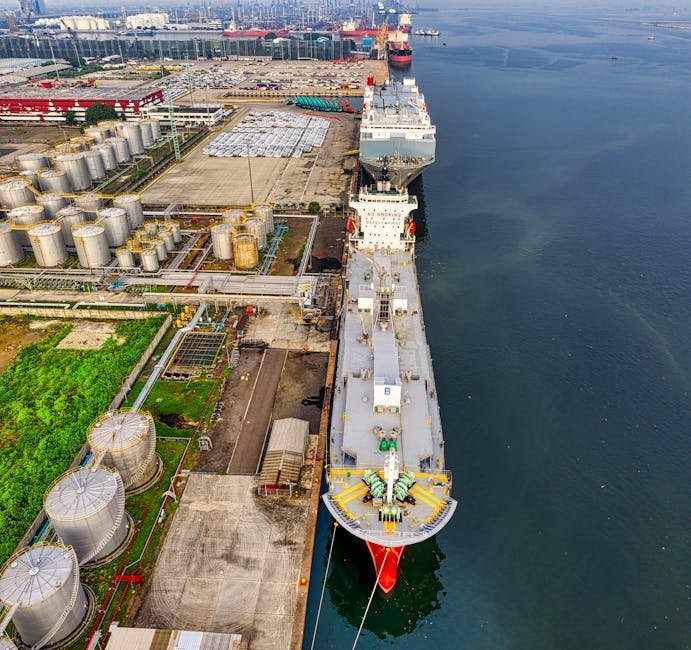
Source: Pexels Image
While U.S. markets digested the delay cautiously, European indices climbed higher, with the STOXX Europe 600 and London’s FTSE both gaining 0.6%. Germany’s DAX rose 1%, while Asia also saw substantial gains, with Hong Kong’s Hang Seng and India’s Nifty each advancing about 1.3%.
The White House confirmed that President Trump is weighing direct U.S. military involvement but also left the door open for possible renewed nuclear talks with Tehran, even as hostilities persist between Israel and Iran. The complex geopolitical calculus left Wall Street struggling to price in the fluid mix of escalation risks and diplomatic possibilities.
As the clock ticks down on Trump’s decision deadline, investors are bracing for another fortnight of volatility, vigilantly monitoring the next moves in the perilous Iran standoff. With the specter of military action looming, markets remain on a knife-edge, vulnerable to headline-driven swings as the high-stakes drama unfolds.