

In a groundbreaking development that underscores the rapid evolution of artificial intelligence in financial markets, an autonomous AI-powered trading system has made waves by independently buying Meta stock and selling off Eli Lilly holdings. This move highlights the growing sophistication and influence of algorithmic systems in high-stakes investing, as they demonstrate the ability to make complex decisions without human intervention.
The AI trader’s actions have intensified the debate surrounding the future role of autonomous AI in the investment landscape. While proponents point to the potential for increased efficiency and data-driven decision-making, critics raise concerns about the potential for heightened market volatility driven by machine-led trades. As regulatory frameworks struggle to keep pace with rapid technological advancements, the incident underscores the need for robust oversight and risk management strategies.
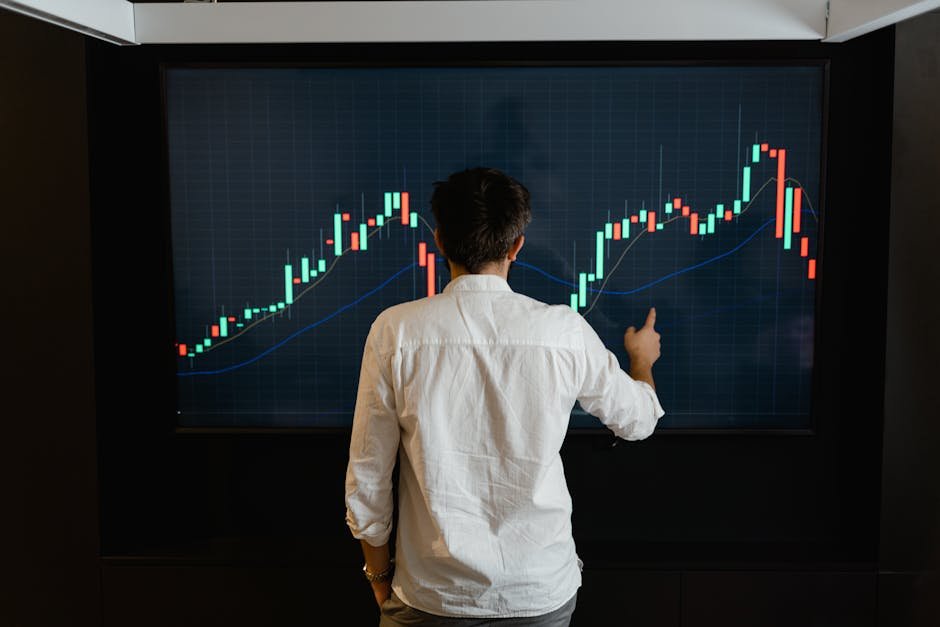
Source: Pexels Image
Although specific details about the AI system’s underlying algorithms remain undisclosed, such tools typically leverage advanced data analytics, real-time market monitoring, and predictive modeling to execute trades at scale. By analyzing vast amounts of financial data and identifying patterns that may be imperceptible to human traders, these systems are reshaping traditional trading paradigms and enabling rapid response to shifting market conditions.
The news comes as Meta itself heavily invests in artificial intelligence to maintain its competitive edge. The tech giant recently reported strong earnings fueled by its advertising business and ongoing expansion into generative AI technologies, signaling its commitment to staying at the forefront of the AI revolution. As more institutions embrace autonomous trading systems and tech companies double down on AI development, the impact of these tools on financial markets is set to grow exponentially.
While the long-term implications of AI-driven trading remain to be seen, one thing is clear: autonomous agents are beginning to shape financial strategies at an institutional level, and this trend is only likely to accelerate as the technology matures. As the industry grapples with the challenges and opportunities presented by the rise of AI in investing, it will be crucial to strike a balance between harnessing the power of these tools and ensuring the stability and integrity of global financial markets.