As the cybersecurity landscape continues to evolve, a new and increasingly daunting threat has emerged: generative AI-driven cyberattacks. Security researchers are sounding the alarm about the surge in sophisticated assaults leveraging the power of AI to bypass traditional defenses and rapidly develop novel attack methods. The implications for organizations, critical infrastructure, and individuals are far-reaching and deeply concerning.
According to recent reports, threat actors are harnessing GenAI tools to automate the creation of polymorphic malware capable of rewriting itself to evade detection. HP researchers have already documented instances of AI-generated remote access Trojans in the wild. This marks a significant shift in the malware landscape, as attackers can now rapidly iterate and adapt their payloads at an unprecedented scale.
Beyond malware creation, AI is also being weaponized for phishing and social engineering campaigns. Studies reveal that AI-crafted phishing emails achieve a staggering 54% click-through rate compared to just 12% for human-written messages. By automating the generation of convincing and personalized lures, attackers can now mount phishing campaigns at a dramatically reduced cost and with far greater efficacy.

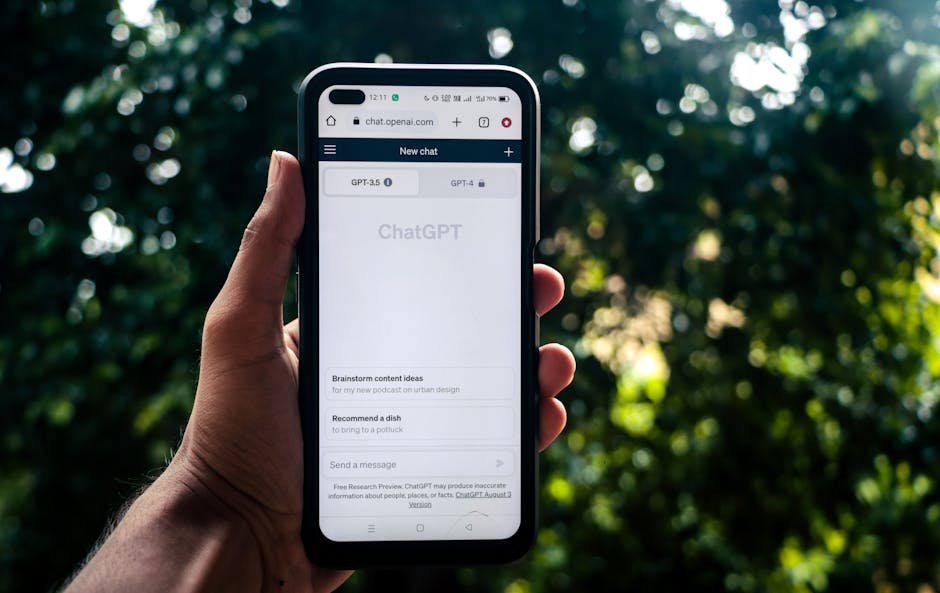
Source: Pexels Image
The open-source software ecosystem has also become a prime target for AI-driven attacks. Malicious actors are leveraging GenAI to create fake utilities or inject malicious code into legitimate projects, tricking unsuspecting developers into incorporating vulnerabilities into their applications. This insidious tactic allows attackers to compromise vast software supply chains and infiltrate enterprise IT environments.
Perhaps most disturbingly, the rise of advanced deepfake technology powered by generative models has opened new avenues for impersonation and “vibe hacking” attacks. These highly convincing fabrications can be used to manipulate individuals, sow disinformation, and erode trust in digital communications.
As the cybersecurity community grapples with this new reality, it is clear that traditional defenses and threat models must evolve. Organizations must invest in AI-driven security solutions capable of detecting and responding to these dynamic threats. Collaboration between researchers, vendors, and policymakers will be essential to develop effective countermeasures and governance frameworks. Only by staying ahead of the curve can we hope to maintain cyber resilience in the face of this formidable new adversary.