U.S. stock futures tumbled on Thursday, with the S&P 500 futures dropping 0.6%, as former President Donald Trump’s renewed tariff threats rattled global markets and sparked a risk-off sentiment. The Dow, S&P 500, and Nasdaq all slipped in pre-market trading, while European and Asian equities followed suit, as investors grappled with the potential economic fallout from the Trump administration’s latest trade maneuvers.
The Bloomberg Dollar Spot Index fell 0.4%, while the euro climbed to $1.1528 against the greenback. Treasury yields also weakened ahead of a $22 billion 30-year bond auction, as market participants sought safe-haven assets amid the heightened uncertainty. The risk-off mood reverberated across various asset classes, underscoring the sensitivity of global markets to shifting trade winds.
Trump’s Tariff Threats Stall Market Momentum
The former president’s signal that he plans to impose unilateral tariffs on dozens of U.S. trading partners in the coming weeks has raised concerns about the potential economic consequences. The move comes just as the S&P 500 was approaching record highs, following a strong rally fueled by optimism over the post-pandemic recovery and corporate earnings growth.

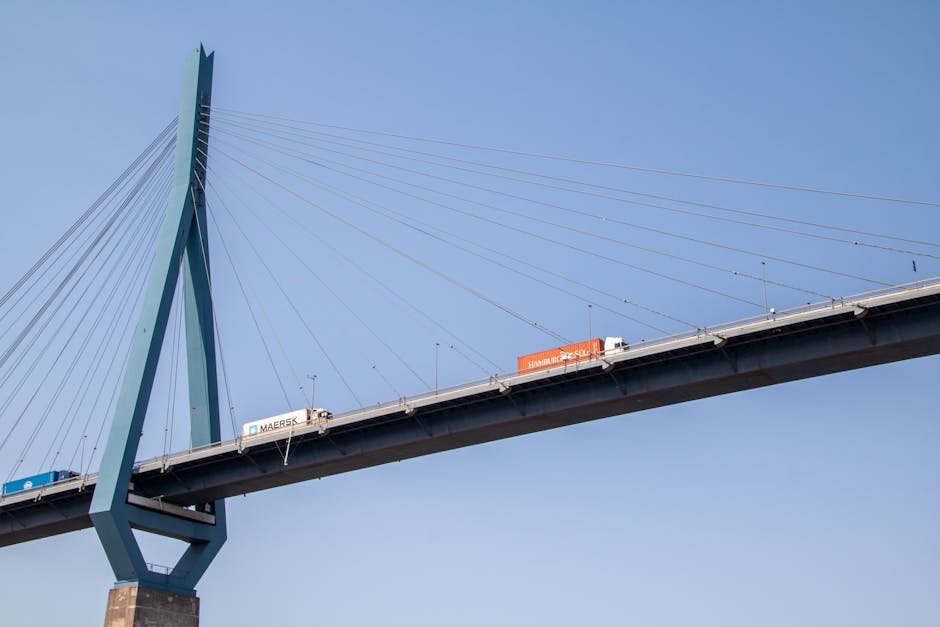
Source: Pexels Image
Market analysts have cautioned that U.S. equities may be due for a modest technical correction after their impressive run-up, as investors reassess the market’s momentum in light of persistent questions over the impact of trade policies on the global economy. The resurgence of trade tensions has injected a fresh dose of uncertainty into the market outlook, prompting investors to reevaluate their risk exposure.
Navigating the Trade Policy Landscape
As the trade policy landscape continues to evolve, investors will be closely monitoring developments for clues on the potential economic ramifications. While the full extent of the proposed tariffs remains unclear, history suggests that escalating trade disputes can weigh on business sentiment, disrupt global supply chains, and dampen economic growth prospects.
“The renewed focus on tariffs has caught the market off guard, just as investors were growing more comfortable with the recovery narrative,” noted a strategist at JPMorgan Chase. “We may see some near-term volatility as market participants adjust their positioning and assess the potential risks to the growth outlook.”
As the market digests the latest trade developments, investors will be keeping a close eye on upcoming economic data, corporate earnings reports, and policy announcements for further guidance. While the long-term impact of the proposed tariffs remains uncertain, the mere threat of trade tensions has been enough to inject a note of caution into the market’s near-term outlook.