As the Trump administration settles into its second term, a dramatic shift in U.S. foreign policy is taking shape. Secretary of State Marco Rubio has unveiled a new “America First” approach that prioritizes close allies like Israel and Taiwan while subjecting other global commitments to greater scrutiny. This realignment has far-reaching implications for America’s role on the world stage.
At the heart of this foreign policy overhaul is a confrontational stance toward China. Rubio pulled no punches, describing the rising superpower as “the most potent and dangerous near-peer adversary this nation has ever confronted.” The administration is poised to ramp up economic pressure on Beijing, including threats of broad tariffs and increased support for Taiwan’s independence.
Ukraine’s Uncertain Future
The new foreign policy doctrine also casts doubt on America’s continued support for Ukraine. Rubio suggested that Ukraine will have to make “concessions” in its ongoing conflict with Russia, a stark departure from the previous administration’s unwavering backing of Kyiv. This shift could have profound consequences for the balance of power in Eastern Europe.

Source: Pexels Image
Sweeping Changes to Foreign Aid
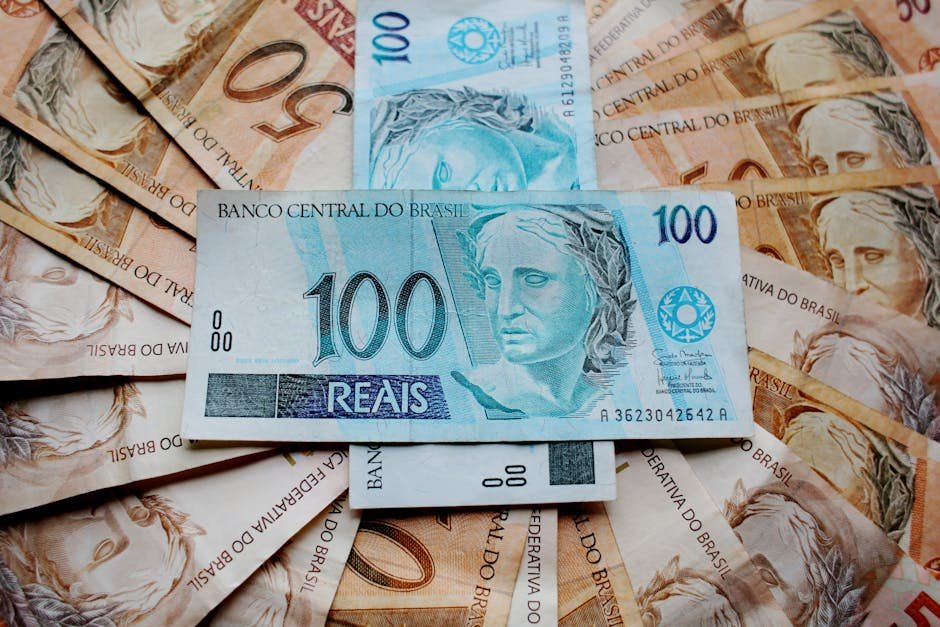
The Trump administration has also initiated a comprehensive review of U.S. foreign aid programs. A 90-day pause in foreign development assistance has been implemented to assess “programmatic efficiencies and consistency with United States foreign policy.” Critics fear this could lead to drastic cuts in humanitarian aid, public health initiatives, and democracy promotion efforts.
Counterterrorism and Immigration
In a move that blurs the lines between national security and domestic policy, the administration plans to integrate counterterrorism efforts into immigration policy. This includes measures to curb both illegal and legal immigration, raising concerns among civil liberties advocates.
Pressure on Adversaries
The new foreign policy approach also promises increased economic pressure on adversaries. In addition to the tough stance on China, the administration has threatened additional sanctions on Russia. This aggressive use of economic levers could strain already fraught relationships with rival powers.
As the Trump administration’s foreign policy takes shape, it is clear that America’s role in the world is undergoing a profound transformation. While the “America First” doctrine may resonate with some, critics warn that it risks alienating allies and creating power vacuums that our adversaries are all too eager to fill. The coming years will test the wisdom of this new approach and its impact on global stability.